Jalen Duren's Hamstring Strain Puts Pistons' Center Depth to the Test
- Cargo
- NHL Games & Standings
- Shipped
- Shipper
- Cem Yolbulan
- Readers
- 939
Jalen Duren's right hamstring strain has Detroit's frontcourt depth under the microscope, with a two-week re-evaluation setting the timeline.
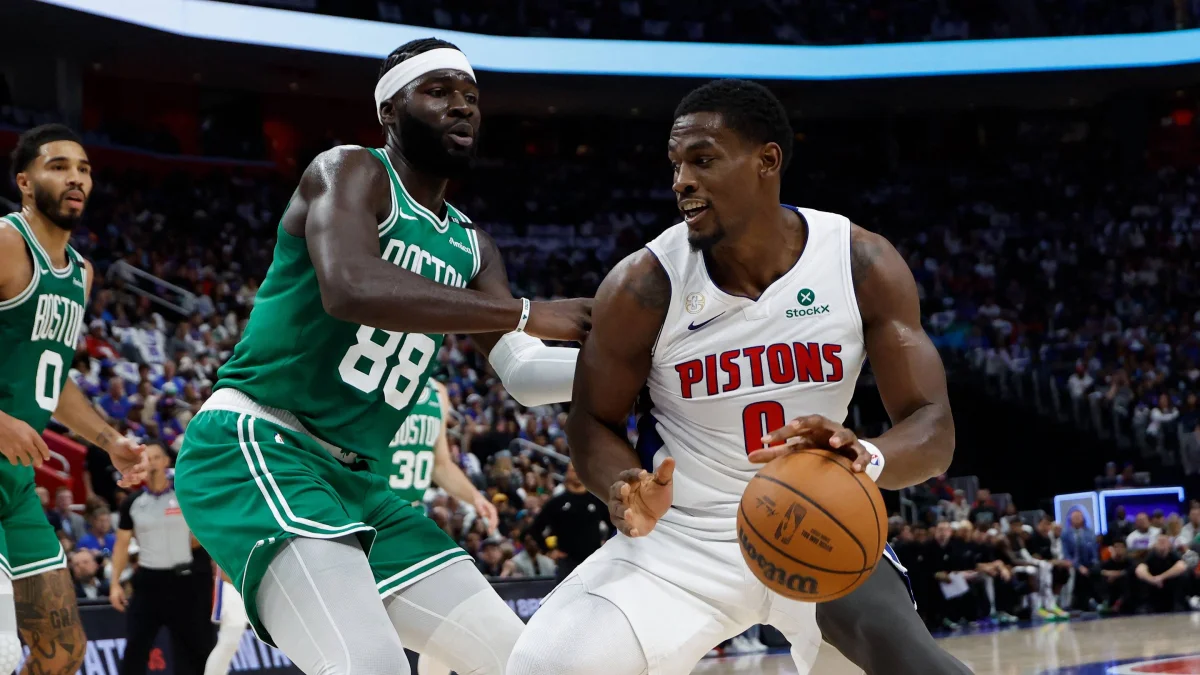
The Pistons have started the season looking like the team to beat in the East, and they've done it while the injury list keeps growing. Detroit beat three Eastern Conference title contenders in its first week. The harder question now is who holds the middle when Jalen Duren is out.
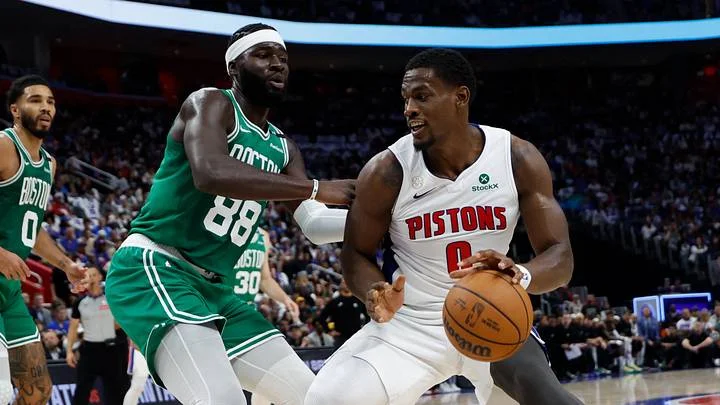
Duren and Ausar Thompson both sat out Sunday's game against the Sixers. Duren has a right hamstring strain, and Thompson has an ankle sprain. Isaiah Joe then went down with a hip contusion during the game. Joe's injury doesn't look like a long-term concern, and Thompson's appears similarly manageable. Duren's is the one that matters for the next stretch of games.
How much time will Jalen Duren miss?
The team said Duren will be re-evaluated in two weeks, but that date shouldn't be read as a return date. Hamstrings are notoriously stubborn. A strain that gets rushed back can linger for weeks, and the cost of a setback is usually bigger than the cost of patience.
Brian Sutterer, MD, pointed out on X that a hamstring injury carrying the "re-evaluated in two weeks" designation has an average missed time of 2.3 weeks. That works out to roughly seven games. If the average holds for Duren, he'd be back around the middle of the stretch, not at the two-week mark. Even then, expect a minutes restriction when he returns. He was still building back to game shape at the start of the season, and a hamstring that has just healed rarely jumps straight to full workloads.
Paul Reed gets the first look at the big minutes
Paul Reed is the most natural replacement, and he has already shown what an expanded role looks like. He has logged extended minutes since Duren left the game in Miami. On Sunday against Philadelphia, Reed finished with eight points, eight rebounds and three blocks in 23 minutes. That's a productive night in limited time, and it's the kind of line that makes a coach think twice about shrinking his role once the starter returns.
The bigger test is whether Reed can sustain that level for a whole stretch rather than one good night. Backup centers often look sharp in short bursts and struggle when they're asked to absorb heavy minutes against a rotation of starters for several weeks. Reed has the length and rim protection to handle it. The open question is conditioning and foul trouble, and a few games will answer that quickly.
Tolu Smith's window, and the trust question
Isaiah Stewart is no longer on the roster, so the backup center job falls to Tolu Smith. That's the obvious opening, and it's also where things get uncomfortable. Even with Duren out, Smith played only three minutes against the Sixers. For a 26-year-old big man, that's a signal, and it suggests JB Bickerstaff doesn't yet fully trust him in a game that's close enough to matter.
Here's the thing: when a team keeps a player on the roster but rarely uses him, the pressure to cut that player usually builds quickly. If the Pistons really don't trust Smith with limited bench minutes while their first-choice center is hurt, it becomes hard to justify keeping him around as the third big. This is the moment for Smith to prove he can be a rotation-level NBA center. A few quality minutes in the next week or two would matter far more than another brief cameo.
Small-ball lineups and the cost of going smaller
Bickerstaff's answer, at least for now, has been to slide John Collins into the middle. That creates a more mobile and dynamic group, one that can run and switch and spread the floor. It also means the Pistons are playing without a traditional backup power forward. Collins's minutes at the four have to go somewhere.
Ron Holland and Javonte Green will likely absorb more of that time, and both will be asked to guard bigger opponents. That's the risk. Smaller lineups can give up interior rebounding and rim protection, and they can strain the defense when the ball goes inside. The concern grows if Ausar Thompson misses more time, because his perimeter defense is a big part of what makes the smaller groups work. Detroit can survive a few games like that. A longer stretch without Thompson and Duren would stretch the rotation thin.
What to watch next
The Pistons can win regardless of who is on the injury report, and their start shows they have the talent to do it. Duren's absence shouldn't be a disaster if he returns near the two-week mark and comes back on a managed workload. If the hamstring keeps him out longer, the real decision will be whether Smith earns real minutes or whether Detroit goes looking for help at the third center spot. Watch Reed's minutes, Smith's rotation role and how Collins handles the four. Those three answers will tell us more about the rest of this season than any single box score.