Pistons Keep Winning Without Their Regulars, and the Bench Is Getting Real Minutes
- Cargo
- NHL Games & Standings
- Shipped
- Shipper
- Cem Yolbulan
- Readers
- 554
Detroit is 3-0 after beating Philadelphia without Jalen Duren or Ausar Thompson, but Isaiah Joe's hip contusion is the next test for a thinning rotation.
Three games into the season, the Pistons are already learning what their roster looks like when the top layer disappears. They beat the Philadelphia 76ers on the road, led by double digits for essentially the whole night, and did it while missing two rotation players. Then Isaiah Joe went down early and didn't come back. That's a lot of pressure on the depth Detroit spent the offseason talking about, and so far it's holding.
A road win that didn't need its best players
Winning in Philadelphia is never simple, and the Pistons did it by building a lead early and protecting it. Their 3-0 start now includes a second straight Eastern Conference win over a team with real championship expectations. Detroit didn't need a late push, and that matters more than the final margin because it suggests the group is playing with a plan rather than surviving on talent alone.
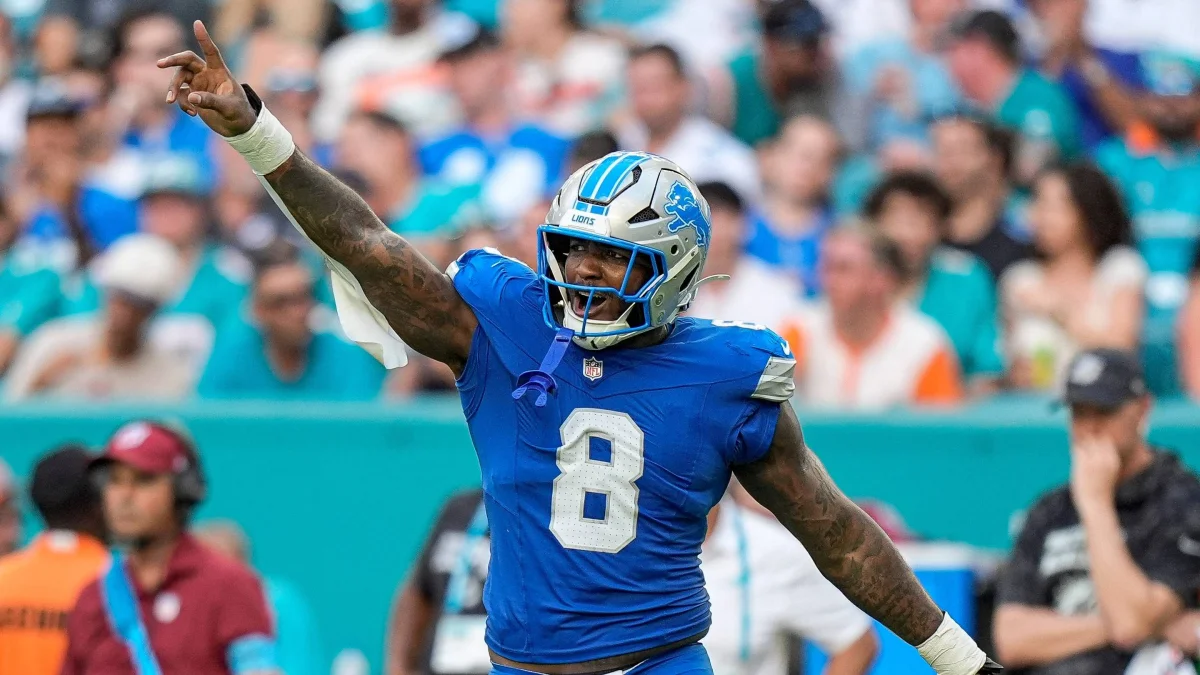
The absences were significant. Jalen Duren is expected to miss at least two weeks with the hamstring strain he suffered on Friday. Ausar Thompson, who should return sooner, sat out Sunday's game with an ankle sprain. Losing a starting center and a versatile wing in the same week would strain most rosters, and it's a reasonable test of whether the Pistons' depth is real or just a talking point.
Jenkins and Reed step into the starting five
Here's the thing: the Pistons didn't just cover for Duren and Thompson, they kept the same rhythm. Daniss Jenkins and Paul Reed moved into the starting lineup, and the first-unit cohesion didn't noticeably drop. Coaches generally want starters who can slot in without changing the principles of the offense, and that appears to be what happened here.
Jenkins played more than 38 minutes, a heavy load that puts him at the center of the rotation for as long as the injuries last. That's a big number for a player in that role, and it raises a fair question about how sustainable it is over a longer stretch. The coaching staff will need to decide whether to keep trusting him at that volume or spread the minutes around once the schedule gets tougher.
Isaiah Joe's injury puts the bench on the clock
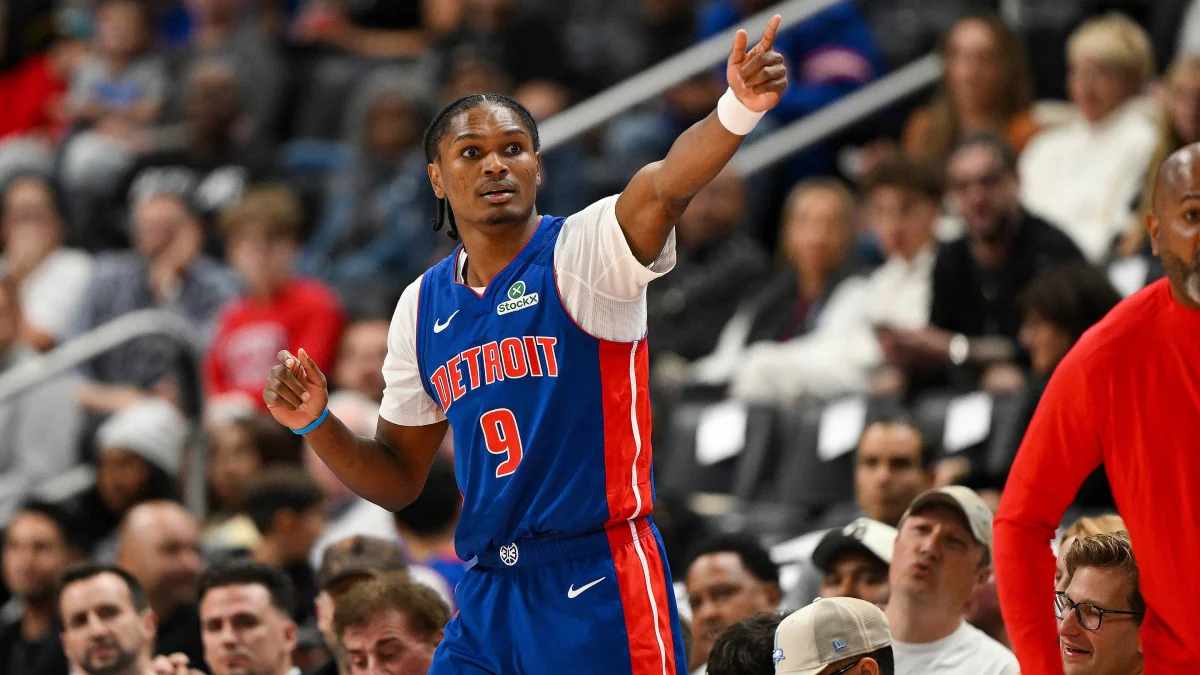
The more immediate concern came in the first quarter. Joe had an emphatic dunk in transition, then landed hard on his back and was slow to get up. He walked to the bench and was quickly ruled out for the rest of the game with a hip contusion. Joe is a shooter who stretches defenses, and his absence changes how the floor opens for everyone else.
With Joe gone, the minutes rolled downhill. Kevin Huerter logged 26 minutes, Ron Holland played 23, and Javonte Green got 22, each above their usual share. None of those numbers are alarming on their own. Together, they show how quickly a rotation can stretch when one perimeter player is unavailable, and how much the team relies on wings who can shoot and defend without needing the ball.
Who steps up if the injuries pile on?
The Pistons face the Knicks and the Hornets on Tuesday and Wednesday, a back-to-back that will determine how much room the staff has. Joe should be considered questionable at best for both games, and that's the honest read based on what's been reported. Thompson's status is the other variable. If he's still out, the decisions get harder.
That's where the bench gets interesting. Ebuka Okorie got a brief 99-second look against Philadelphia, and it's fair to ask whether that was enough to show anything. Chaz Lanier has been a healthy scratch all season, which means the staff hasn't yet seen him in a meaningful role. Neither player has a clear path yet, but a back-to-back against solid opposition is exactly where a coach can test them without the pressure of a must-win night.
I'd expect the staff to lean on the players who already have trust before handing real minutes to the end of the bench. That's the normal order of operations, and it's also the most sensible one. Still, if Thompson stays out, Okorie or Lanier might be the first real experiment of the season.
Why this stretch matters for the rest of the season
Teams build depth for weeks like this. The Pistons entered the season believing they have one of the deeper rosters in the league, and the first week has tested that belief in a hurry. Winning while missing key pieces is a good sign, but it's only meaningful if the reserves can handle larger roles without the team dropping off.
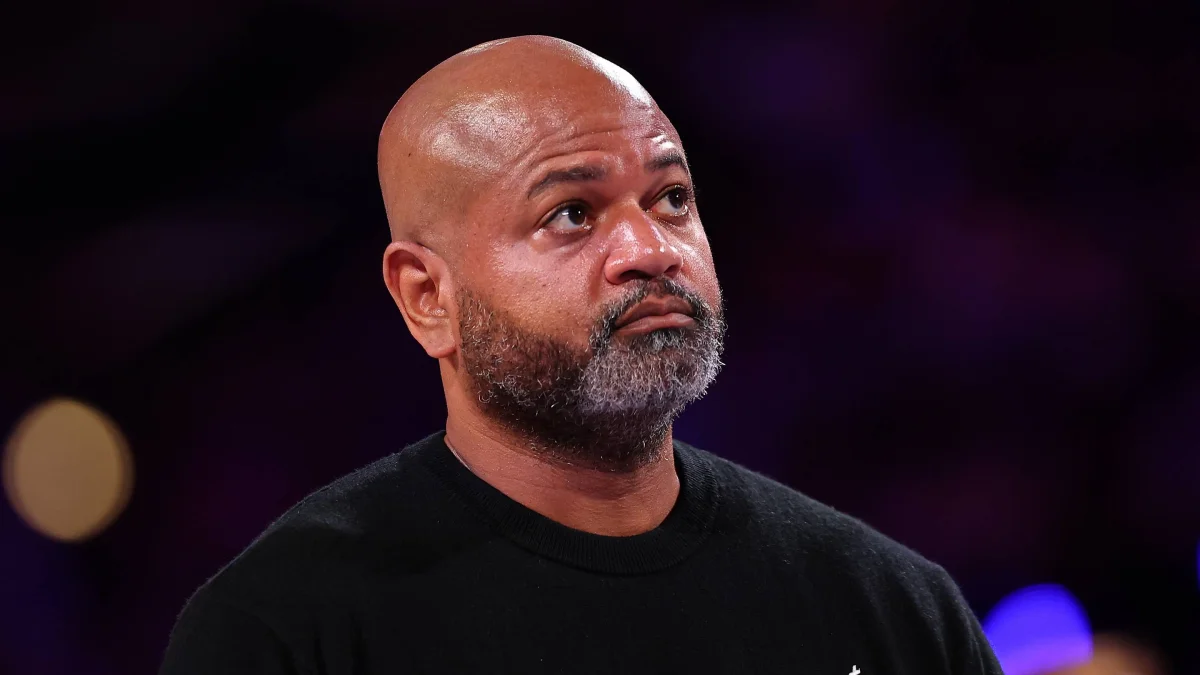
Bickerstaff's rotation also gets more flexible in the process. Every reserve who logs meaningful minutes against quality opponents gives the staff another option when the schedule tightens or injuries pile up later. If Okorie or Lanier gets real playing time in the next two games, that's useful information for the coaches, even if the results don't go their way.
My read is that this is the right kind of early test. The Pistons aren't being asked to win every game with their stars. They're being asked whether the next group can keep the same structure, and so far the answer has been encouraging. The next two games will show whether that answer holds when the bench has less margin for error.