Pistons' Worst Loss of the Season Lands on Cunningham, Thompson and Collins
- Cargo
- NHL Games & Standings
- Shipped
- Shipper
- Cem Yolbulan
- Readers
- 872
Detroit fell 38-14 behind the Lakers after one quarter. Cade Cunningham, Ausar Thompson and John Collins each carry a share of the blame for the lopsided loss.
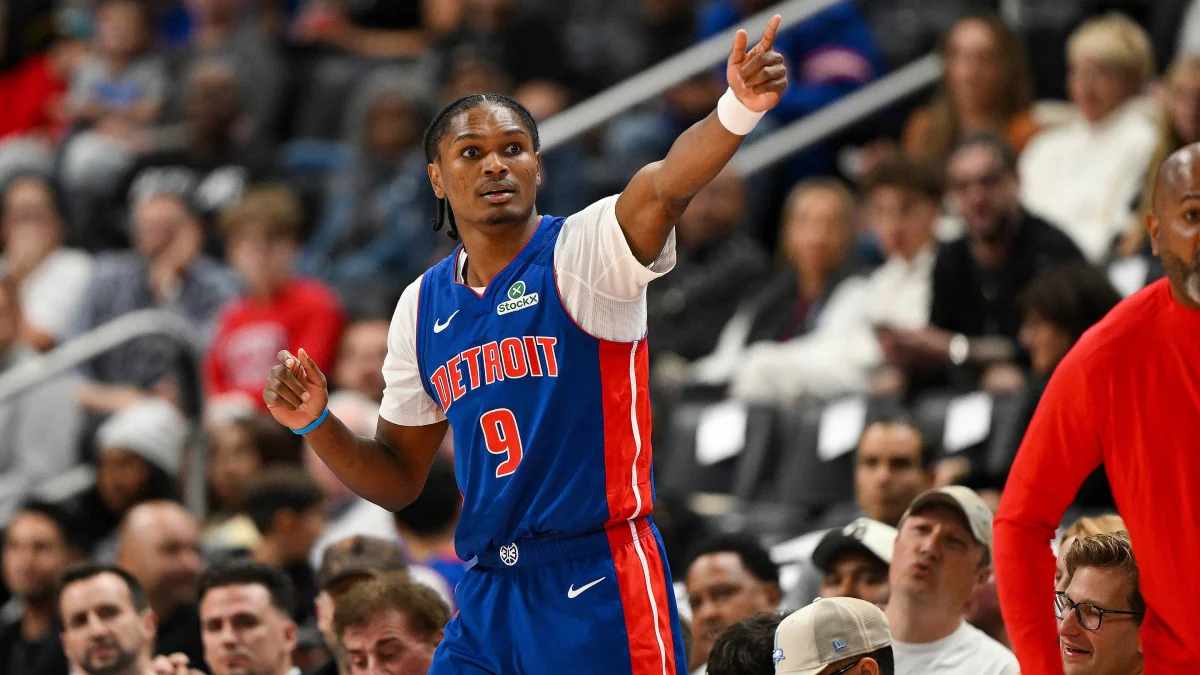
Detroit is still 6-3, and the record doesn't reflect how badly this one went. Los Angeles was missing Luka Doncic, and the Pistons still spent most of the night chasing a game that was effectively decided in the first 12 minutes. The Lakers led 38-14 after the first quarter. Detroit made a late push, but by then the damage was done. My read is that this was the worst loss of the season so far, and three players deserve most of the blame.
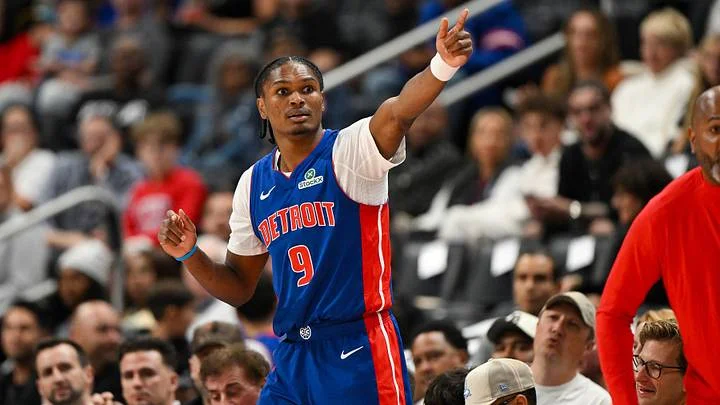
Cade Cunningham was the center of a disastrous first half
Cunningham's first half was the single biggest reason Detroit fell into that hole. He didn't score for the entire half, and the offense never found a rhythm with him in charge of the ball. That's the part that stings. A player of his caliber isn't supposed to go silent for two quarters, and he also wasn't setting up teammates the way the Pistons need from their point guard.
Turnovers made it worse. Detroit committed seven in the first quarter and shot 6-for-22 from the field. Those numbers are the fingerprints of a team that couldn't get into its offense, and Cunningham was the player who needed to get it moving. He can't let his team dig a hole that deep, especially against a Lakers lineup without its best player. Some nights a team falls behind early and can grind its way back. This wasn't one of those nights, because the Pistons never got a clean look at a comeback before the margin had ballooned.
Ausar Thompson's offense was invisible for most of the game
Thompson's problem is one we've seen plenty of times. He was passive for most of the game, passing up shots he should have taken and rarely looking like a threat on the other end. He only started attacking in the second half, once the game was already out of reach. That kind of late aggression doesn't change the result, and it made the early stretch look even more hesitant.
The final line reads better than the game felt. Thompson finished with seven points on 3-for-9 shooting, but most of that production came after the outcome was settled. The Lakers spent most of the night with Walker Kessler on him, and Thompson wasn't able to take advantage of the matchup for long stretches. Defensively, the night was worse. Austin Reaves had a big game against him, and Thompson finished at a team-worst minus-16 in just 24 minutes of playing time.
The context makes this harder to shrug off. With Jalen Duren hurt, Thompson is expected to step into a bigger role as one of the team's most important players. A performance with that many defensive lapses and that little offensive presence in the first half is nowhere near what Detroit needs from him right now. Younger players in this spot often get a longer leash, but the minutes only come with consistent play, and Thompson has to show he can deliver both ends before the workload grows.
John Collins was present but never impactful
Collins isn't a problem in the way Thompson and Cunningham were on Sunday. He wasn't hurting the team, and he defended well enough. The issue is that he didn't move the game in either direction, which is a bigger concern for a player the Pistons brought in to provide a steady scoring and rebounding presence.
He logged 32 minutes and shot 3-for-7 from the floor for eight points, four rebounds and one assist. Those numbers are fine on paper, but the on-court impact tells a different story. The Lakers posted a 132.3 offensive rating with Collins on the floor, and Detroit was outscored by 13 points during his minutes. That's a sign his presence wasn't enough to slow the bleeding when the Pistons needed a response. This has been a pattern for much of the season: Collins is rarely a disaster, but he's also rarely the reason a game tilts toward Detroit.
What this loss means for the Pistons going forward
The record still looks solid, and a 6-3 start gives Detroit room to recover. My sense is that this loss says more about the lineup's consistency than the standings. A team without its best frontcourt piece can't afford to have its primary ballhandler and its supposed second-best player disappear at the same time. Teams facing that kind of short-term injury usually need their core players to raise their level, not wait for the second half to get aggressive.
What to watch next is simple. Does Cunningham start looking for his own shot earlier, and does he get the offense organized from the first possession? Does Thompson take the shots that are available to him in the opening quarter? And can Collins become a bigger factor when the game is still close? If those three players answer those questions, Detroit's worst loss of the season will look like an outlier. If not, the early hole will keep becoming the story.