Ausar Thompson's Offensive Gains Look Smaller Up Close
- Cargo
- NHL Games & Standings
- Shipped
- Shipper
- Cem Yolbulan
- Readers
- 896
Thompson's offense has moved in the right direction, but his shot profile and playoff-time role suggest the Pistons' problem is bigger than one player.
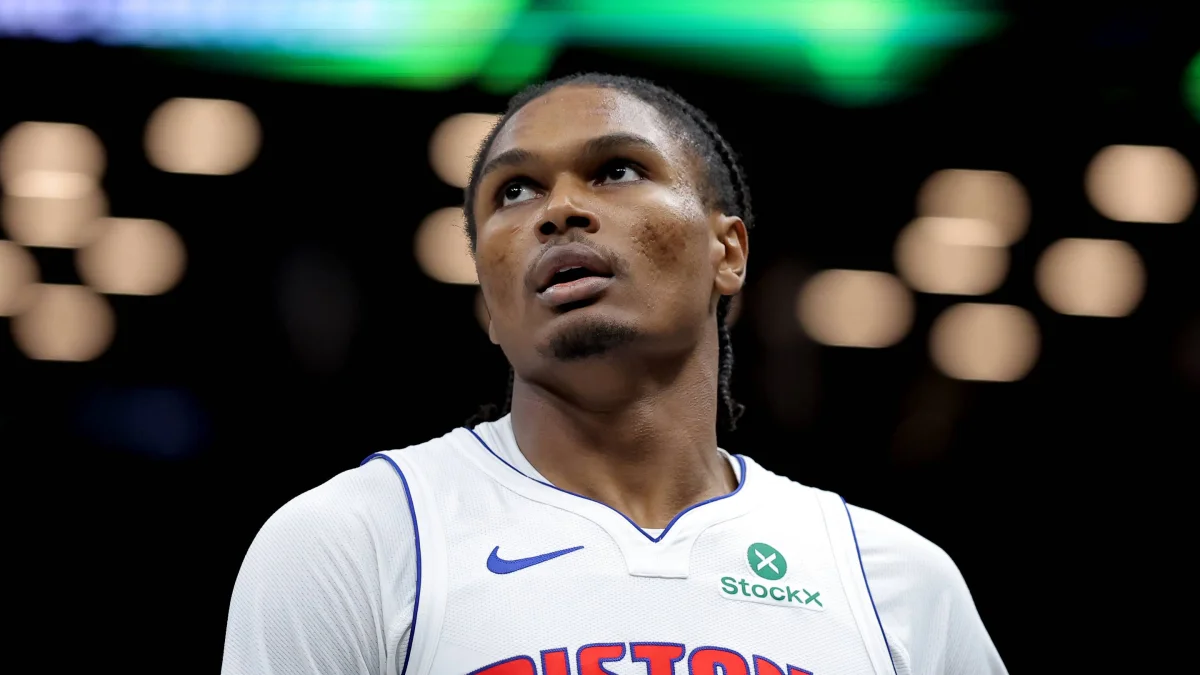
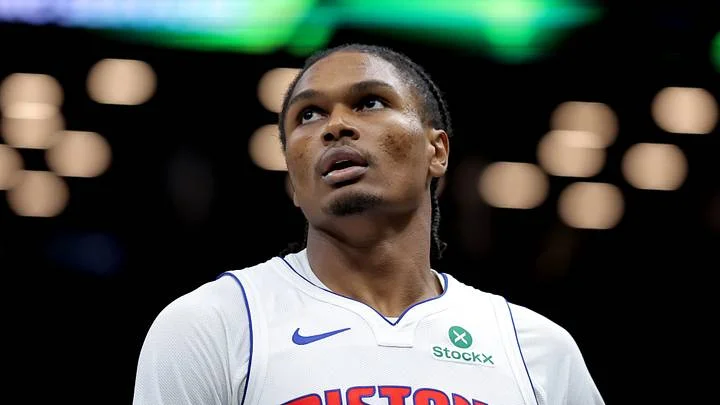
The Pistons believe in Ausar Thompson, and the five-year, $155 million extension they gave him says so. He's 23, he has elite physical and athletic tools, and he's already one of the best perimeter defenders in the league. Nobody in Detroit is arguing about the defensive side. The question is whether the offense is coming along fast enough to make him a true two-way force.
This season, the answer looks like "a little, but not as much as the buzz suggests." My read is that the improvement is real in a few narrow areas and overstated in the ones that will matter most when games tighten up.
The role change is deliberate
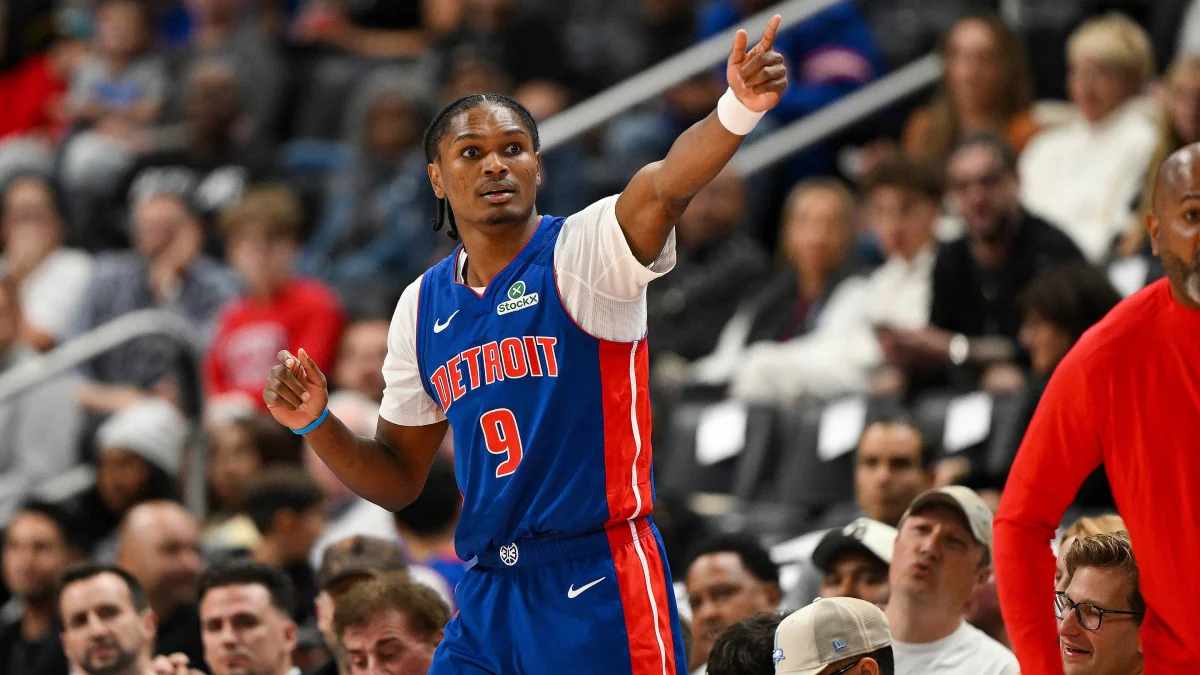
Thompson has the ball in his hands more this year, and that's by design. The Pistons are making a point of playing Cade Cunningham off the ball more. That's a sensible move. Cunningham carries a heavy creation load, and Detroit doesn't want to run him into the ground. Giving Thompson more touches spreads the offensive responsibility around and gives the team another primary initiator when Cunningham sits.
The early returns on that experiment are mixed. Thompson's assist percentage climbed from 16.8 to 25. That's a meaningful jump and a sign he's finding teammates more often. But his turnover percentage rose from 14.3 to 20.7, so the extra ball-handling has come with a real cost. He's taking and making more self-created shots, yet his usage rate has stayed the same. In other words, he's getting more involved without carrying a bigger share of the offense. His True Shooting percentage sits at 56.2, still below league average. That number is the one I'd keep watching, because it's the cleanest measure of whether all those extra touches are producing efficient scoring.
Where the shots are coming from
Much of the conversation has centered on Thompson's shooting, and there's a real change underneath it. He's been more willing to take jumpers, particularly from mid-range. The shot chart shows the shift. According to Cleaning the Glass, he took 57% of his shots within four feet of the rim last season. This season that figure has dropped to 43%. Around 15% of his attempts now come from outside 14 feet, including threes, up from 7% a year ago.
Shot selection moving away from the rim can look like progress on paper. But the results haven't followed. Thompson is 1-for-9 on shots from outside 14 feet this season. Last year he shot 36% on attempts outside four feet, and this year that's up to 39%. That's a slight step forward, but it's still well below what you'd want from a player who's now taking a meaningful number of perimeter looks. The volume has grown faster than the production.
That gap matters because it changes how defenses treat him. Opponents have learned that Thompson isn't a reliable jump-shooting threat, so they can sag off him and help elsewhere. That's the core of the problem: a few more jumpers don't do much if defenders aren't worried about them.
Crunch time tells the story
The clearest snapshot came in the Pistons' loss to the Sixers. Detroit was mounting a comeback in the final minutes, and Thompson was effectively invisible on offense. He took one shot in the final seven minutes and recorded zero assists. Late in close games, the ball tends to go to the players the defense respects most, and right now Thompson isn't one of them.
That's the playoff concern in a nutshell. Postseason basketball slows down, tightens up and rewards the teams that can generate good looks in isolation or out of pick-and-roll when the clock is running. Is Thompson going to get the ball in those spots? Would Detroit trust him to create his own shot when the game is on the line? And without a credible scoring threat, can he consistently set up teammates for good looks? Right now, the answers aren't encouraging.
What the team numbers say
The Pistons have posted a 110.8 offensive rating with Thompson on the floor. That would be a middle-of-the-pack offense across the league, not a unit that's getting hurt by him or lifted by him. It also points to the broader issue: Detroit's half-court offense has been a problem regardless of who's on the floor. Thompson's improvement is a piece of that puzzle, not the solution.
Here's the thing: role players who become more involved often see their efficiency dip before it recovers, and that's a normal stage of development. Thompson is still young, and the extra reps as a ball-handler should help in time. But the gap between "more touches" and "more reliable offense" is wide, and this season hasn't closed it. The mechanics that made him effective as a cutter, finisher and dunker still show up most when the game is simple. The harder reads, the pull-ups and the late-clock creation are still works in progress.
What to watch next
The next few weeks will show whether this is a process or a plateau. The key numbers are straightforward: his turnover percentage needs to come down without giving up the assist gains, his True Shooting percentage needs to rise above league average, and his production in the final minutes of close games needs to look different. If he starts getting real looks late and converting them, the offensive story changes quickly. If the shot profile keeps drifting outward without better results, the Pistons may need to find scoring elsewhere when it matters most.
I'd call Thompson's offense a work in progress that's been described with more enthusiasm than the data supports. The defense is the foundation, and it's excellent. The offense is moving in the right direction, but it hasn't yet reached the point where it changes how opponents plan for him.