Three Former Pistons Stumbling Out of the Gate With New Teams
- Cargo
- NHL Games & Standings
- Shipped
- Shipper
- Cem Yolbulan
- Readers
- 529
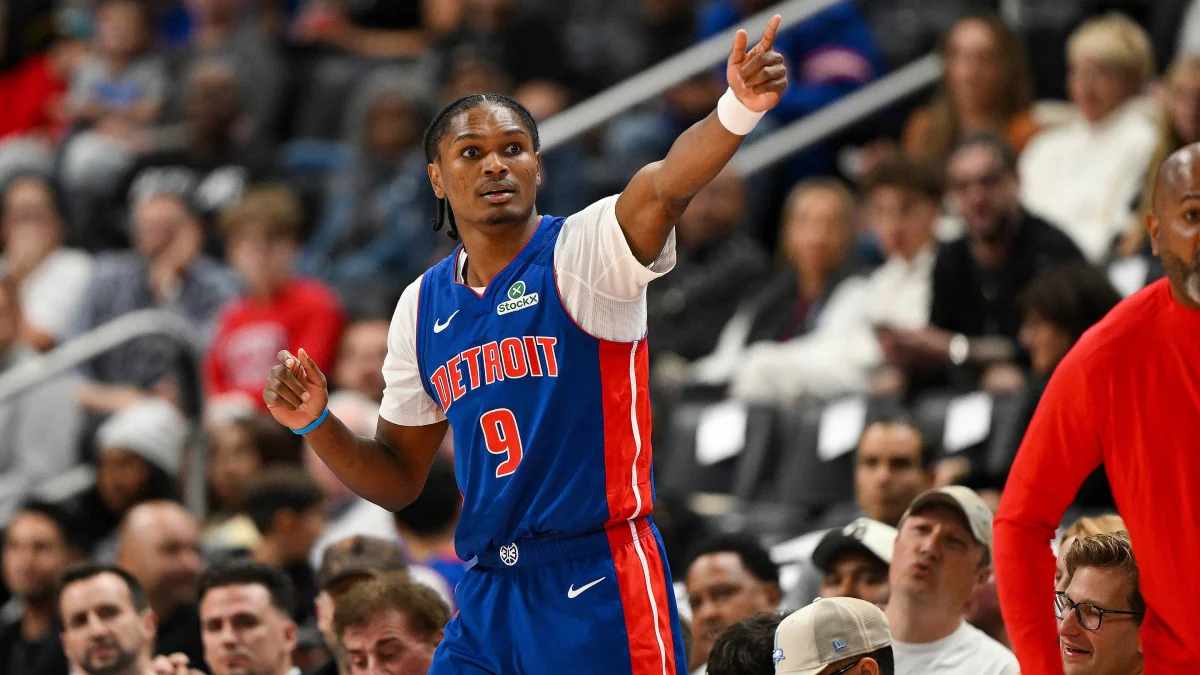
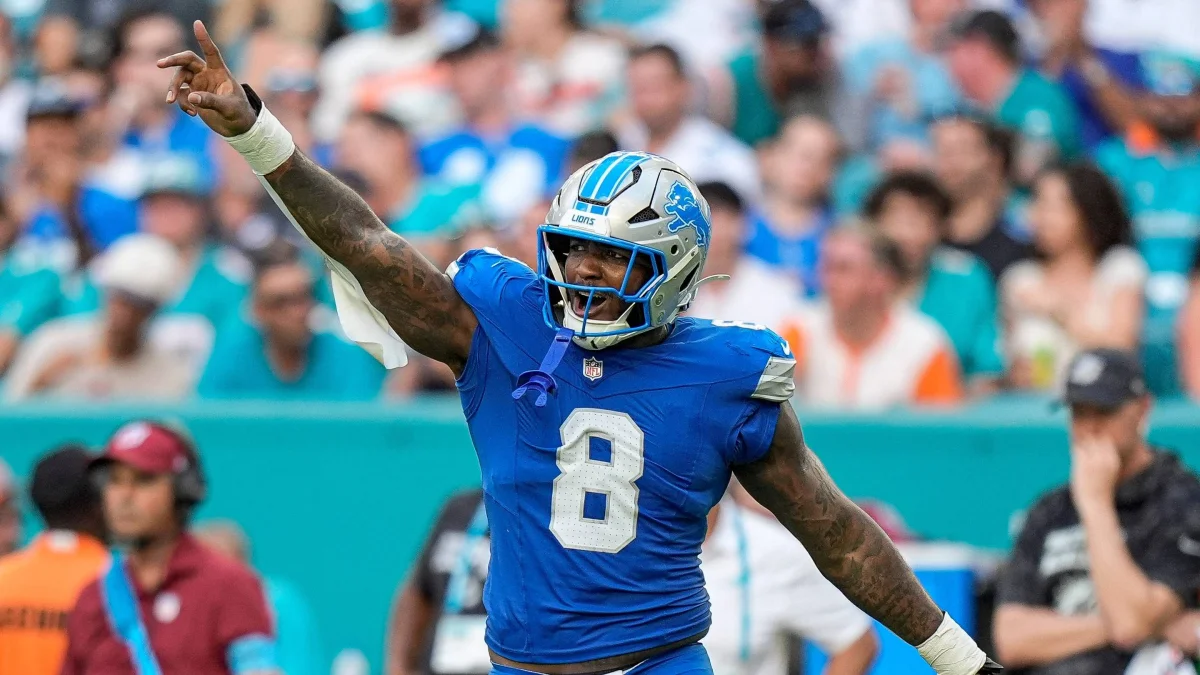
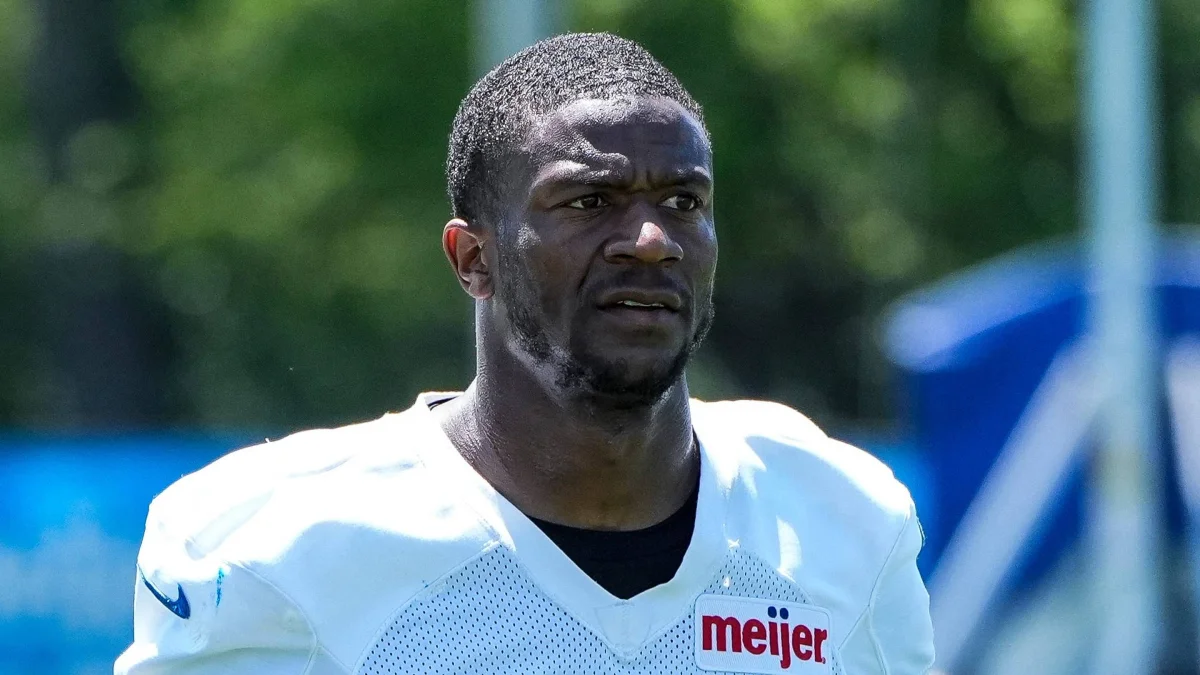
Schröder, Mykhailiuk and Hardaway Jr. have all started slowly with new teams while Detroit sits 6-2. Here's where each one's struggles are coming from.
Detroit's start makes the departures sting a little less
The Pistons sit at 6-2, and that's the first thing to keep in mind when you look at three former Detroit players who have started their new seasons on the wrong foot. Losing depth pieces is rarely a clean call, but the early returns are making Detroit's choices look sharper than they might have seemed at the time. My read is that none of these three are finished players. Each one, though, is facing a problem that's hard to hide over a short sample.
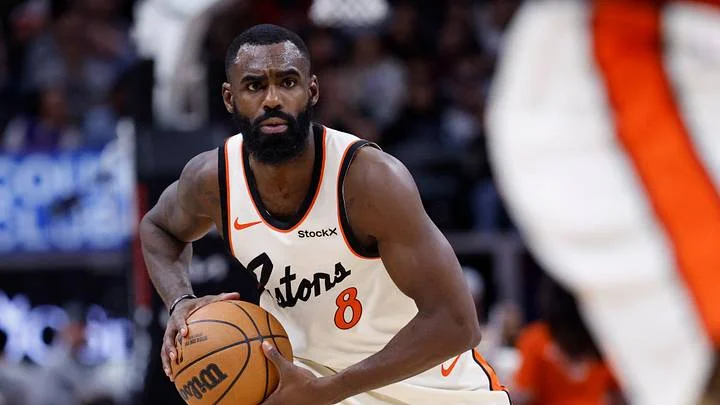
Dennis Schröder is carrying a heavy load in Charlotte
Dean Oliver's advanced numbers at ESPN Analytics rank Schröder as the league's worst player so far this season. That's a blunt label, but it's tied to the on-court production behind it. Charlotte pushed him into a bigger role after LaMelo Ball's departure and Coby White's injury, and the minutes have been heavy, close to 30 a night. Ten points, 3.6 rebounds and 4.8 assists look respectable on paper. Then the efficiency arrives: 3.2 turnovers per game, 36.4% from the field and 20% from three.
That gap between volume and efficiency is what makes his situation hard to watch. Guards who lean on usage to stay productive tend to run into trouble when the offense around them can't absorb the giveaways. The contract doesn't help the optics. He's making $14.8 million this season and is under contract for $15.5 million next season, which the analysis describes as one of the least team-friendly deals in the league. Detroit letting him walk in the 2025 offseason looks like a sound call from where we're standing now.
Svi Mykhailiuk's margins are shrinking in Utah
Mykhailiuk hasn't suited up for Detroit since the 2020-21 season, but he has been a survivor, bouncing around rotations and still landing a roster spot. This year may be the test that ends that run. Now in his third season in Utah, the 29-year-old is hitting 30.2% of his field goals and 23.1% of his threes through eight games. For a shooting specialist, those numbers are very hard to justify.
The Jazz are finally trying to win and be competitive, and that's what exposes him. Utah has been outscored by 33 points in the minutes he's on the floor since the season opened. A reserve whose job is spacing and quick decisions can't afford to drag down the lineup, and right now he's one of the worst bench players in the league by those measures. The margin for error is thin when a team is asking for results.
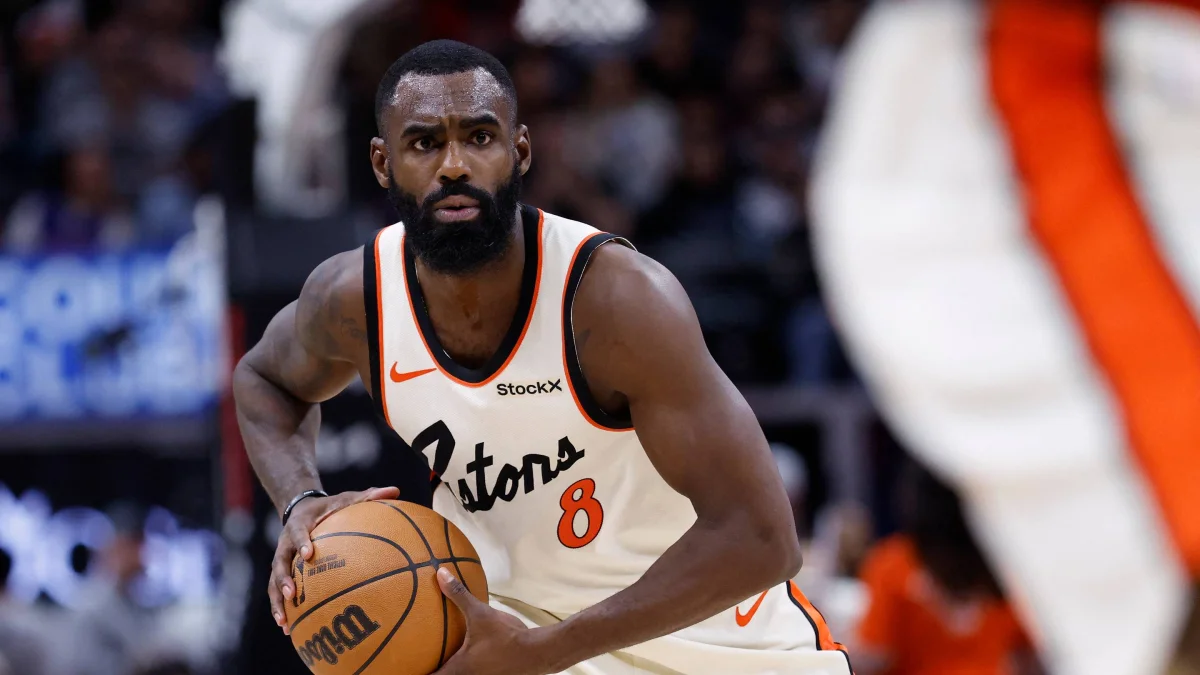
Tim Hardaway Jr. has lost his shot in Miami
Hardaway Jr. has always been sold on one skill: shooting. That's the skill that has gone missing this season, and it's one of the big reasons Miami has struggled. He's 9-for-37 from three, shooting 28.6% from the field, and he has as many turnovers as assists. Those numbers cost him his rotation role. He played 11 minutes across Miami's last two games and went 0-for-5 without scoring.
The context makes it sharper. Last season, after leaving Detroit in the 2025 offseason, he hit 40.7% of his threes playing alongside Nikola Jokic in Denver. Miami hoped he could bring that same spacing to its lineup. He's 34, and the open question is whether the shot and the confidence come back in a bigger role. The Heat need floor spacing badly, and right now he isn't providing it.
What to watch next
Eight to ten games is a small sample, and players in all three situations have histories that suggest some bounce-back is possible. Still, the pattern is clear: when a role grows or changes, the holes show up fast. Watch whether Charlotte adjusts Schröder's minutes and whether his turnover rate settles. Watch whether Utah keeps giving Mykhailiuk time in lineups with real spacing. And watch whether Miami's rotation keeps shrinking for Hardaway Jr. Any one of those answers will tell us more than the first eight games did. For Detroit, the early results are a reminder that roster decisions look clearest once a team has found its own rhythm.