Tkachuk Brothers’ Bench Argument Becomes an Unlikely Spark in Panthers’ Comeback
- Cargo
- NHL Games & Standings
- Shipped
- Shipper
- Daria Mironova
- Readers
- 631
Matthew and Brady Tkachuk recalled how a power-play dispute spilled onto Florida’s bench before the Panthers rallied against Detroit.
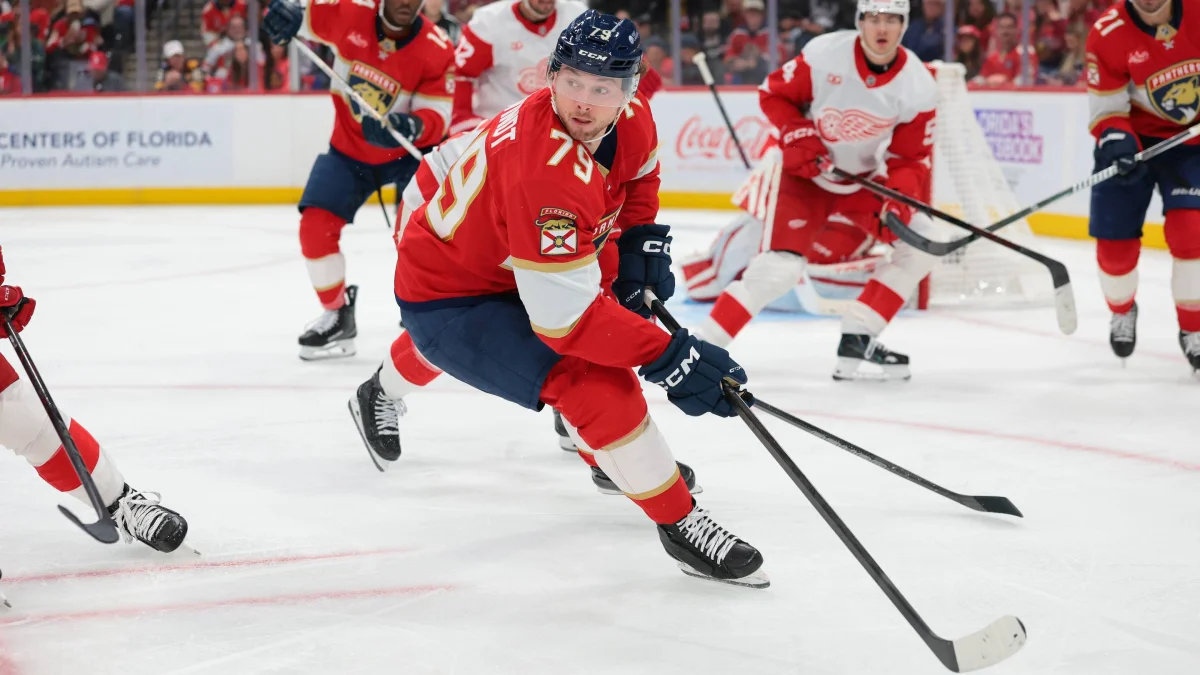
Florida’s comeback against Detroit came with a bench-side spark: Matthew and Brady Tkachuk said their first serious disagreement as Panthers teammates unfolded during a power play, with the brothers disputing a line change and each other’s account of the sequence. Matthew later suggested the exchange helped energize the team as it rallied against the Red Wings.
The story came out during an episode of the brothers’ Wingmen podcast. It wasn’t a tactical debate in the abstract. Brady said he left the ice because he was tired and wanted a fresher teammate to take over. Matthew saw the change as a problem for the unit’s structure.
A power-play change sparks the argument
Matthew said Brady’s early departure disrupted the formation and forced teammates into unfamiliar spots. His point was that a player can’t simply change on his own during a man advantage without affecting the roles around him. “Nobody gets off that quick by himself,” Matthew said.
Brady’s version put the blame elsewhere. He argued that Matthew had turned the puck over and then faulted him for the power play’s failure. The disagreement, then, was about both the change and what had gone wrong on the ice: Brady described a decision made out of fatigue, while Matthew focused on the effect that decision had on the group.
That kind of friction has a practical hockey dimension. Power-play units rely on players holding their positions and reading the same sequence, so an unexpected change can leave teammates adjusting on the fly. The brothers’ account doesn’t establish that the change caused the unsuccessful possession, but it explains why Matthew objected and why Brady felt he was being singled out.
Sibling edge, NHL bench setting
The familiar family dynamic made the disagreement sharper. Matthew recalled criticizing Brady’s conditioning, saying, “I think I said something like about his lack of conditioning.” Brady didn’t welcome the jab, and the exchange continued until Panthers assistant coach Jamie Kompon stepped in.
Kompon tried to settle things with a simple message: “It’s all right, boys. We’re good here, boys.” The incident stayed at the level of a bench argument in the brothers’ telling. Brady later played it down, while acknowledging that a first disagreement as teammates was probably bound to happen.
For two brothers now sharing an NHL dressing room, the setting adds a wrinkle. They know each other well enough to speak bluntly, but they also have to work within the same system and answer to the same coaches. A disagreement over a shift can carry extra heat when it’s between siblings; it still has to end with the next change and the next assignment.
From dispute to comeback
Matthew connected the argument to Florida’s response against Detroit, though he framed that link with a light touch. “I think it got the boys going,” he said. “And we rallied and got the comeback.” The brothers’ account offers a glimpse of the bench atmosphere, not proof that their exchange alone turned the game. The comeback belonged to the team; the argument was one small moment in its story.
The result was described as a comeback after Florida fell three goals behind, but the account of the brothers’ conversation provides no final score, individual scoring details, goaltender numbers or timing for the goals. There’s no basis here to attach the rally to a particular player’s production or a specific tactical adjustment. What it does show is how a heated exchange over execution can become part of a team’s momentum narrative after a win.
Matthew couldn’t resist circling back to Brady’s early exit from the power play, even after the story had become a source of humor. Brady, meanwhile, treated the disagreement as an inevitable first for brothers playing together. Their accounts leave the central hockey question unresolved: whether the line change or the turnover mattered more on that possession. What’s clear is that the Panthers found their way back into the game, and the Tkachuks’ bench dispute became an unusually personal footnote to the rally.
For Florida, the useful takeaway is less about sibling theatrics than the standard behind the argument: power-play changes need to work for the unit, and teammates have to reset quickly when a sequence goes wrong. The next time the brothers share the ice, the test will be whether their blunt feedback stays useful once the puck drops.