Gibbs Backs Campbell's Fourth-and-1 Gamble Against the Packers
- Cargo
- NHL Games & Standings
- Shipped
- Shipper
- Ernesto Cova
- Readers
- 454
Jahmyr Gibbs stood behind Dan Campbell's fourth-and-1 call from the Lions' own 22. The stop was a two-yard loss, but the defense answered with a blocked field goal.
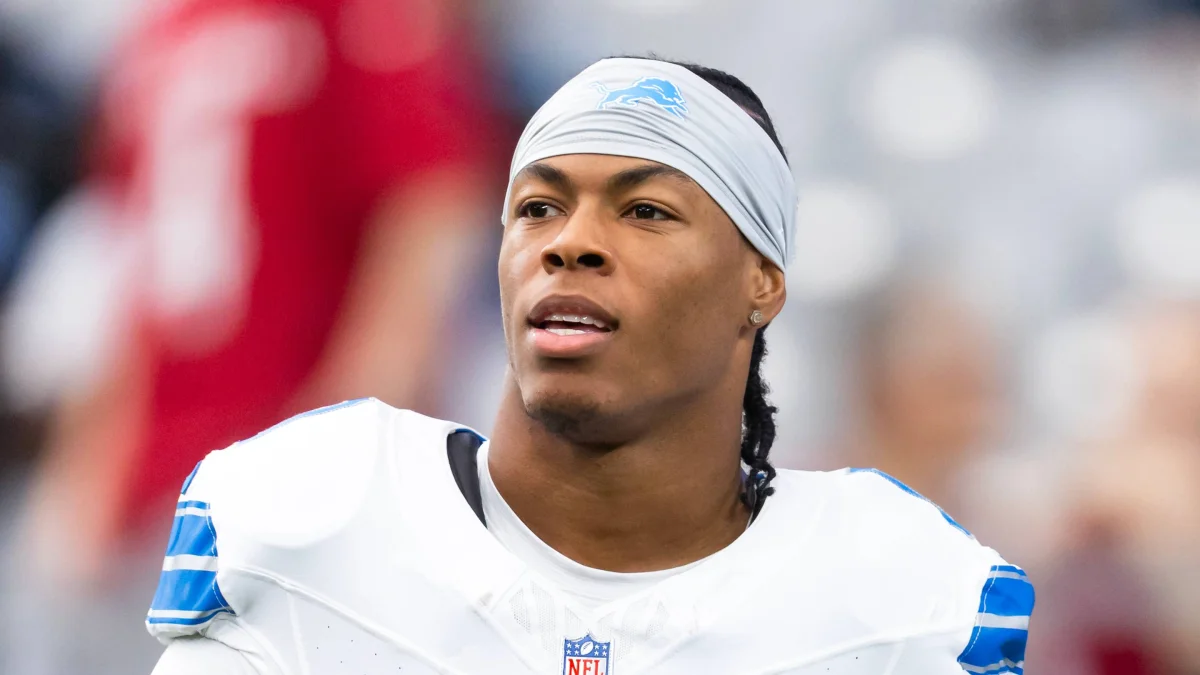
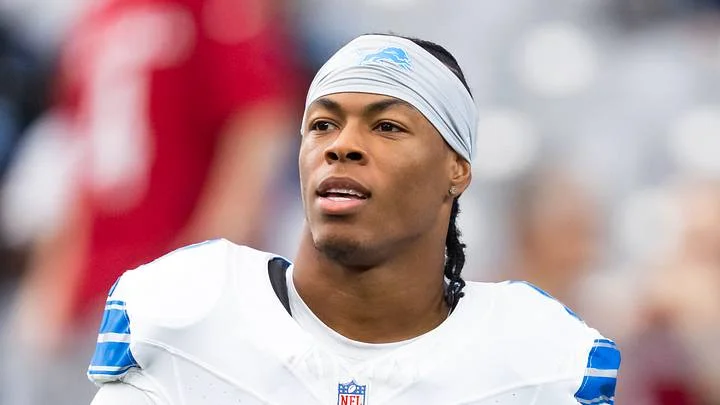
Jahmyr Gibbs didn't flinch when Dan Campbell sent the offense for a fourth-and-1 from the Lions' own 22 with just over five minutes left against the Packers. The play lost two yards, and on the surface that looks like a bad outcome. Gibbs isn't seeing it that way, and the reasons he gives say a lot about how this team thinks about late-game decisions.
The call that could have gone sideways
Let's be honest about what was at stake. Deep in your own territory, a failed fourth-down try hands the opponent a short field and a chance to flip the game. A stop on the first attempt would have turned the drive into a fairly routine finish for Green Bay, and the Lions' fans would have spent the rest of the afternoon gripping their armrests.
That's the risk Campbell accepted. He has taken plenty of heat for this kind of aggression, and a fair amount of it has been earned. Coaches who push their luck too often tend to lose games they'd otherwise control, and Campbell has made that mistake before. The question is whether the decision fits the moment, and this one did.
What the defense did with the margin
Here's the thing: the failed conversion didn't end the sequence. The Lions' defense held its ground, got a block on a field goal attempt, and handed the ball back to Jared Goff with a real chance to win the game. That's the part that makes the gamble look smart in hindsight, but the more important point is that it was the right read before anyone knew how the next few plays would go.
And yet, the outcome did involve some luck. A yard here or there changes the entire conversation. What separates a gutsy call from a reckless one is whether the team has the personnel to recover if it misses, and Detroit had a reasonable case that it did.
Gibbs' reaction and what it tells you
Gibbs' first instinct was pure reaction. "I was like, 'Oh [expletive]!'" he said, laughing. Players rarely get to hear their coach's most aggressive idea in real time, and that moment of surprise is normal. What matters is what came next. "I was surprised, but when I thought about it, I was like '[Expletive] it. We're capable of it, so we should be able to do it.'"
That second thought is the important one. A running back who trusts the offensive line and believes in the play design doesn't need a long explanation for why the team went for it. He just needs to know the call came from a coach who believes in the group. Gibbs' comments suggest that belief is shared in the locker room, and that kind of buy-in tends to matter when a team needs to execute under pressure.
Why the Packers' options made Campbell's choice easier
Green Bay's offense is one of the more dangerous units in the league, and Jordan Love has been playing at a high level. The Packers can't rely on the run, which makes them dependent on the pass. That's a different kind of threat than a team that can grind out clock with the ground game.
Punting in that spot would have handed Green Bay the ball with time to work, a field-goal range to aim for, and the chance to bleed out the clock while scoring. Going for it kept the ball in Detroit's hands and forced the Packers to earn their drive from a worse position. That logic holds up whether the play works or not, and it's the kind of reasoning that separates a considered aggressive call from a reflex.
Where Campbell's approach goes from here
This is the version of Campbell that his critics should want to see. He hasn't abandoned his willingness to take chances, but he's gotten more selective about when he uses them. The fourth-and-1 call was a bold one, but it came with a clear reason tied to the score, the clock, the quarterback and the personnel on the field.
Gibbs' comments also point to something worth watching: how often Detroit leans on him in short-yardage spots going forward. If the offensive line keeps giving him room and the coaching staff keeps trusting that setup, expect more of these decisions in tight games. The real test will be whether Campbell keeps picking his spots the way he did in this one, because that's the difference between a gamble that feels brilliant and one that costs the team a game.