Pistons Drop First Game to Knicks: Three Duds and a Bright Spot
- Cargo
- NHL Games & Standings
- Shipped
- Shipper
- Cem Yolbulan
- Readers
- 661
Detroit's 9-for-37 night from three cost it a double-digit lead against the 0-3 Knicks. Paul Reed was the one Piston who kept the offense afloat.
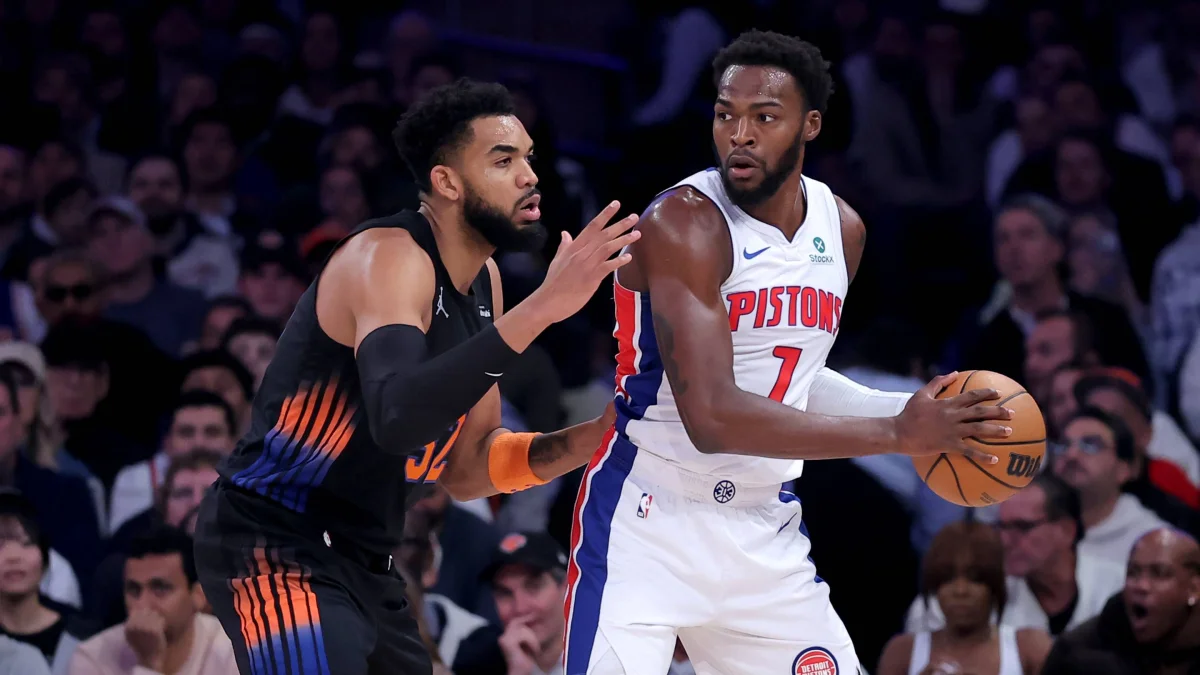
The Pistons lost for the first time this season, and it came against a Knicks team that had dropped its first three games and looked desperate for a win. Detroit started well and built a double-digit lead in the first half. Then New York came out after the break with more energy, and Detroit had no answer. The Pistons finished with 97 points on 9-of-37 shooting from three, which tells you most of what you need to know about where the night went wrong.
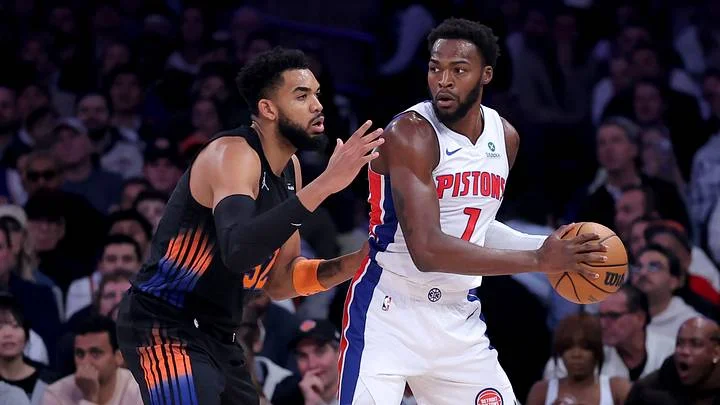
Cold shooting explains the score, but it doesn't explain the whole game. Foul trouble, turnovers and a rotation that didn't seem to trust its bench all piled on. Here's who stood out for the wrong reasons, and the one player who gave Detroit a reason to feel good about Tuesday.
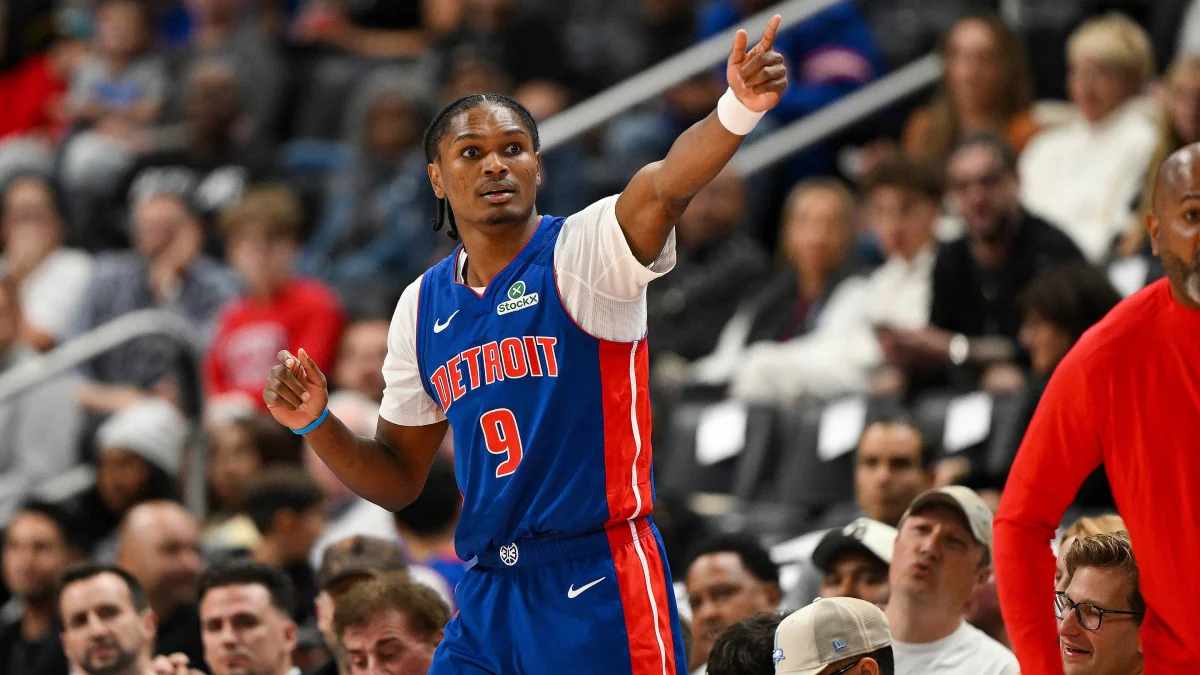
Ausar Thompson: A Frustrating Night on Both Ends
Thompson's night is the kind that fans have seen too often, and it's a reminder of what the contract the front office gave him this offseason is supposed to buy. The defense is still the strength. He remains one of the best perimeter defenders in the league, and that doesn't change on a bad night. The problem is everything around it.
Foul trouble limited him to 25 minutes, the fewest of any starter on either team. A great defender who spends half the game on the bench has less impact than his reputation suggests, and that math got uglier when the offense also stalled. Thompson's lone three-point attempt was an airball. He went 1-for-3 from the free-throw line, committed four turnovers against two assists, and fouled out. Those are the stat lines that make a defensive value case harder to sell, and they're the same improvement questions that have followed him through his development.
Ron Holland: Good Stretches, Costly Mistakes
Holland had the kind of game that's become familiar. He spent long stretches defending Jalen Brunson well, and he produced some genuinely strong possessions on the defensive end. Then he'd give it back with a careless foul at the end of a possession, or make a mistake that frustrated head coach JB Bickerstaff. Those moments add up.
He played only 12 minutes despite finishing +3 in those minutes, which is a clear signal about how the coaching staff weighed his mistakes against his positives. Offensively, he was again a non-factor, and he airballed an open three. The bigger concern is the lack of visible growth. It's getting harder to point to something in his game that has clearly improved from last season, and for a young player in a developing role, that's the question worth watching.
Tolu Smith: Minutes That Went Badly
Smith's situation is more puzzling. With Jalen Duren sidelined and Paul Reed in foul trouble, the spot at center was there for the taking, yet Smith barely got on the floor. Bickerstaff leaned on John Collins at center for long stretches instead.
When Smith did play, it went poorly. He picked up four fouls in six minutes, and the Pistons were outscored by 18 points in those minutes. That's a tough result for any backup, and it raises an obvious roster question. If the staff doesn't trust a third-string center in a game where the starter is out, what's his role supposed to be? A player who doesn't have the coach's trust tends to have a short runway, and it's fair to ask whether he's worth a roster spot if that trust doesn't come back.
Paul Reed: The Bright Spot
The only real positive for Detroit was Reed, and it wasn't a close call. He has grown used to stepping up when the rotation needs him, and Tuesday was another example. He was physical on the boards, efficient inside the paint and involved in plenty of plays at both ends.
His line tells the story: 22 points, nine rebounds, three assists, two steals and a block in 26 minutes, on 9-of-12 shooting from the field. He finished as the team's best plus-minus at +7, and he did it while the rest of the offense was struggling to find rhythm. That's the kind of stretch a backup center needs when the minutes are limited and the rotation is in flux.
Reed is also in a contract year, and nights like this matter for that reason. Strong production in a limited role can make the case for a bigger payday next summer, especially if he can keep it up over a full season. Losing this game stings, but for Reed personally, it was a result he can build on.
What to Watch Next
The Knicks game points to a few clear issues. Detroit's three-point shooting has to come back toward normal, or the first-half leads won't hold against teams that tighten up after halftime. Thompson needs to stay on the floor and convert his defensive value into something more on offense. Holland needs fewer mistakes to earn bigger minutes. And the center rotation needs a clearer answer, especially with Duren's status and Reed's foul trouble both in the picture.
One game doesn't define a season, and the Pistons still have time to sort this out. But the lessons from Tuesday are specific, and they're the ones Bickerstaff will be trying to solve in the next few practices.