Pistons Start 5-1 on the Strength of Robinson, Reed and Jenkins
- Cargo
- NHL Games & Standings
- Shipped
- Shipper
- Cem Yolbulan
- Readers
- 483
Detroit sits atop the East at 5-1 with the league's best defensive rating. Duncan Robinson, Paul Reed and Daniss Jenkins are the reasons why.

Detroit is 5-1 and sitting on top of the Eastern Conference, and the record isn't even the most interesting part. The Pistons own the league's best defensive rating while playing without Jalen Duren, who has been out since a hamstring strain in the second game of the season. Blowouts have become the norm. Teams that win that way almost always need a few players to lift their games, and three Pistons have done exactly that over the first two weeks.

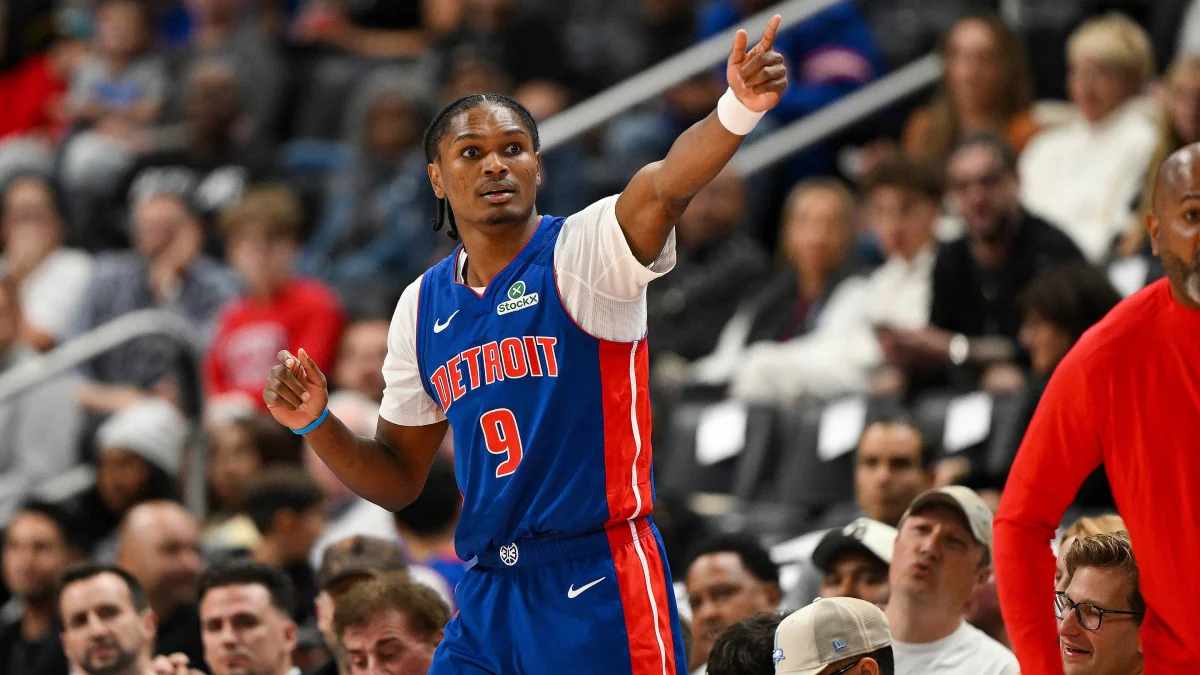
Duncan Robinson is still the engine
Detroit added shooting this offseason, but the offense still runs through Robinson. The 32-year-old's value comes from more than his jumper. Defenses have to stay honest on him when he's off the ball, and that gravity opens driving lanes for everyone else. That's the quiet part of his game that box scores never capture.
The raw numbers are loud, though. Robinson is taking 8.8 threes per game and hitting 41.5% of them, both high-water marks for his workload. His usage rate has climbed to a career-high 21.7%, and he's averaging a career-best 16.8 points per game. Usage spikes like this can sometimes come with a drop in efficiency. Here, the shooting has held up, which is the part that matters most.
The on/off split backs up the eye test. With Robinson on the floor, Detroit scores 13.6 more points per 100 possessions than it does with him on the bench, according to Cleaning the Glass. That's a large gap, and it's the reason the $15.9 million salary looks like a bargain on the floor even when fans wonder about the price tag on paper. Here's the thing: a player with that kind of impact is a hard piece to move, and the Pistons have shown no sign of wanting to test that market. Robinson isn't going anywhere, and the team is better off building around what he does.
Paul Reed has turned a necessity into a role
Reed's rise is the more pleasant surprise. Duren's hamstring injury pushed him into the starting lineup in a hurry, and he has treated the opportunity like a long-term audition. Backup centers who can start are valuable in any league. Reed is doing it while logging more minutes than he ever has, and he's still posting the most efficient season of his career, with shooting splits of 63.0/71.4/76.9.
Those splits are the kind you usually see from players in a defined, limited role. Holding that efficiency while expanding the workload is the hard part. Reed has managed it by adjusting his usage to what the game needs at any given moment, sometimes as a finisher and sometimes as a connector. That flexibility is an underrated skill in the NBA, and it tends to show up in the contract talks that follow. Reed hits free agency in the summer of 2027, and a season like this one will set the price.
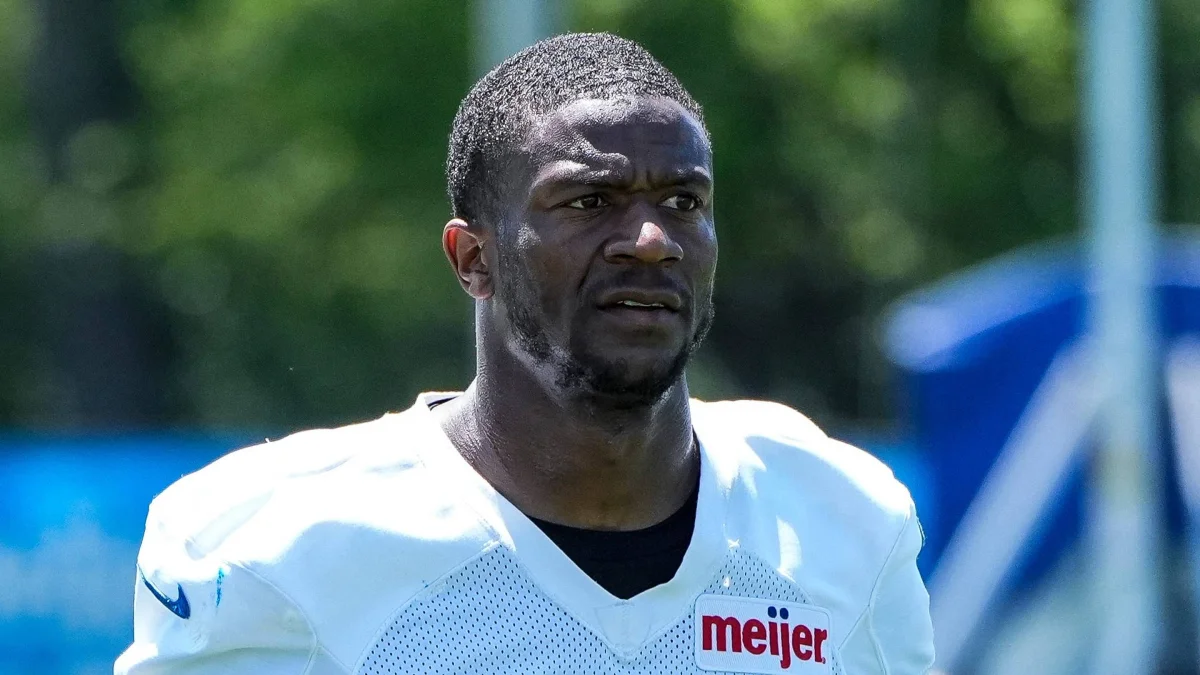
Daniss Jenkins answers the doubters
Jenkins had a fair question hanging over him. With Isaiah Joe and Ebuka Okorie arriving and Kevin Huerter re-signed, it was reasonable to wonder whether his rotation spot was open. His first real season in the league was promising but uneven, with stretches of inconsistency and inefficiency that made his breakout look fragile. A one-year spike is a common story for young guards, and it's the kind that tends to fade once opponents adjust.
That hasn't happened so far. The 25-year-old combo guard is averaging 11.2 points, 3.8 rebounds and 4.0 assists per game. His minutes have climbed from 20.2 to 24.7 per game, and his True Shooting percentage has jumped from 52.5% to 60.1%. A large part of that is his 45.5% clip from three. Some regression is coming on the shooting, and anyone expecting 45% from deep all season is going to be disappointed. But the rest of his game has improved too. He's defending with more consistency, turning the ball over less and finishing better at the rim.
That's the difference between a hot streak and a real step forward. A player whose gains come from shooting alone can lose his minutes quickly when the jumper cools. Jenkins is adding value in several areas, which makes his role far more stable. Barring something unexpected, he's going to play a major part in this rotation.
What to watch as the season settles
Two weeks is a small sample, and early hot shooting can flatter anybody. The more useful question is whether the underlying process holds. Defensive rating leaders rarely stay at the top by luck. Teams that get there usually do it through effort, rotations and communication, and they keep it going when the offense cools. Detroit's defense will be the first thing to watch once Duren returns and the rotation shifts.
The other test is how the group handles its workloads. Robinson's usage and Jenkins's minutes both rose, and Reed is playing more than he ever has. Carrying those loads through a full season is different from doing it for six games. If all three keep producing while the minutes stay high, the Pistons won't just be a good early-season story. They'll be a playoff team with a real identity, and that's the version of this roster worth tracking.