Pistons' Sixers loss exposes a spacing problem playoff matchups would punish
- Cargo
- NHL Games & Standings
- Shipped
- Shipper
- Cem Yolbulan
- Readers
- 642
Detroit fought back in the fourth quarter, but its lack of shooting around Joel Embiid is the part that should worry Pistons fans about a playoff meeting with Philadelphia.
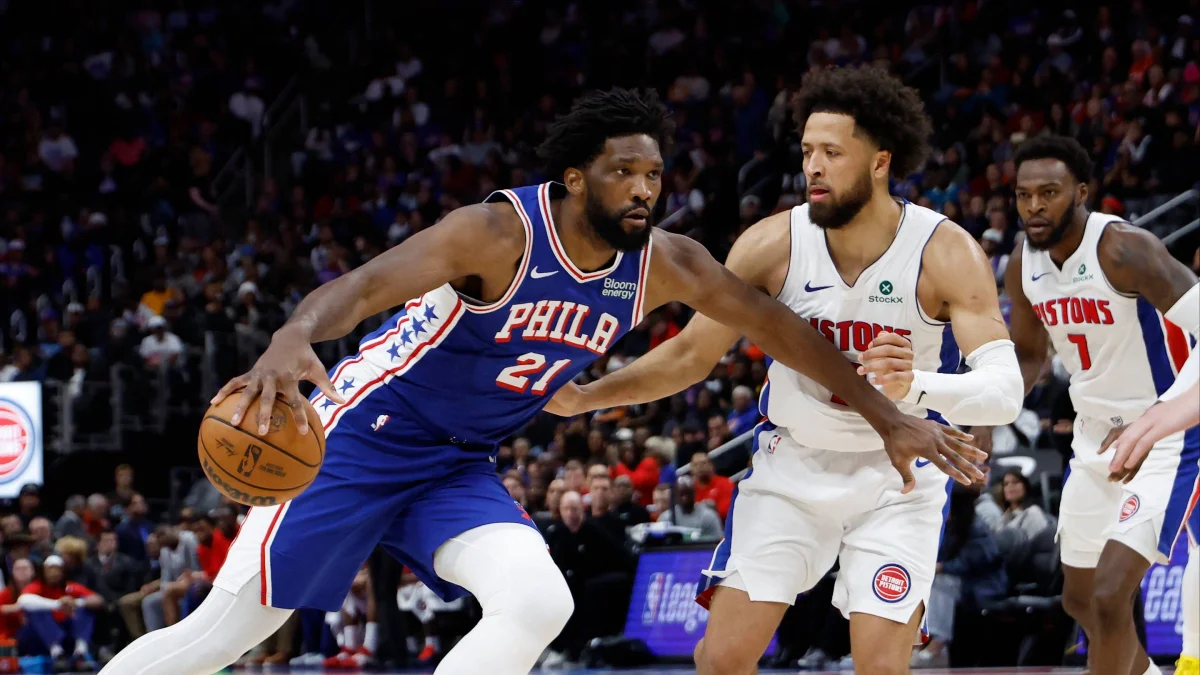
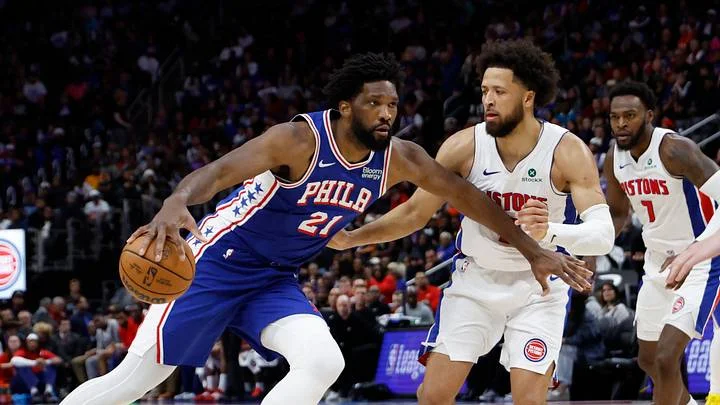
The Pistons lost to the Sixers on Wednesday night, their second loss of the season, and the scoreboard alone doesn't explain why it stung. Detroit was missing Jalen Duren against a fully healthy Philadelphia team, so a loss there was understandable. What matters more is how the game was lost. The Pistons were the team that couldn't create good looks for long stretches, and that's the part that should bother anyone thinking about a playoff series against this group.
A forgivable loss with an uncomfortable pattern
Credit where it's due: Detroit didn't fold. The Pistons mounted a real fourth-quarter comeback and kept the game within reach until the final minutes. Against an 8-1 team, that's a good sign for the group's competitiveness. And they had already beaten Philadelphia earlier in the season, so there's no reason to panic about the matchup in general.
Here's the thing, though. Good teams beat you in a seven-game series by making you play your worst basketball over and over. Wednesday looked a lot like that. The Pistons' offensive rating landed at 105.0, which is nowhere near enough against a Sixers offense built around five players who can shoot, dribble and pass. When Detroit's offense sputtered, it wasn't a one-night cold spell. It looked structural.
Philadelphia's real edge is on the other end
The Sixers are one of the more talented starting groups in the league, and their offense is what gets the headlines. But Wednesday showed their biggest advantage against Detroit is on defense. For large portions of the game, the Pistons simply couldn't score. Duncan Robinson's shooting was the exception, and it was a hot streak rather than a repeatable plan. Take that away and there wasn't much working.
Detroit did manage to slow the Sixers' attack in spots. Ausar Thompson's work on Tyrese Maxey was a key reason, and it's the kind of individual defensive assignment that can swing a game. That said, a single good matchup can't carry a team for 48 minutes, especially when the other end of the floor is stalling out.
Spacing is the real problem
The cleanest explanation for the struggles is spacing. Detroit usually has at least two non-shooters on the floor at all times, and that gives Philadelphia a free hand. Paul Reed, Ausar Thompson and Ron Holland don't have to be guarded outside the paint, so the Sixers could keep Joel Embiid parked near the rim. That made the Pistons' interior life miserable. Embiid protected the basket, Detroit didn't get second chances, and the Pistons finished with only four offensive rebounds.
That last number deserves attention. Offensive rebounds are often the first thing a team gives up when its shooters are spread thin, because players are reluctant to crash the glass when they know a shot is unlikely to fall. Detroit's shots weren't falling efficiently with Embiid on the floor, and the lack of second opportunities compounded the problem.
The Knicks blueprint and why Detroit can't copy it yet
Embiid's conditioning and mobility have declined to the point where pulling him away from the rim is the most logical way to beat Philadelphia. If he has to chase shooters on the perimeter and recover, his effectiveness drops. The Knicks showed what that looks like in the playoffs, using five-out spacing with Karl-Anthony Towns at center to cause Embiid real trouble.
The Pistons can't do the same thing with their current roster. Their personnel doesn't include enough reliable shooting to space the floor the way New York did. That's the core issue, and it's a difficult one to solve in the middle of a season.
What Duren's return changes, and what it doesn't
Duren's return will help. He has the ability to score against Embiid, whether in pick-and-roll or in isolation, and that gives Detroit a credible answer on the interior when the Sixers are at full strength. But Duren doesn't fix the central weakness. Adding a scorer who needs space to operate doesn't create space for him if the other spots on the floor are still non-shooters.
Embiid's availability is also a big variable. Philadelphia has been a difficult matchup for Detroit when healthy, and that's a significant if when dealing with Embiid. Still, the Pistons' best path may be to avoid this particular matchup if they can. Detroit matches up better against some other Eastern Conference teams, and the playoff bracket will decide how much control they have over that.
What to watch next
The useful question for Detroit isn't whether it can beat Philadelphia. It's whether the Pistons can add enough shooting to make Embiid defend away from the basket. Watch how often Detroit plays with three or more reliable perimeter threats, and whether Duren's minutes are structured to pull the Sixers' big man out of the paint. If those two things start to show up together, the Sixers look a lot less scary. If they don't, Wednesday's loss may be the preview.