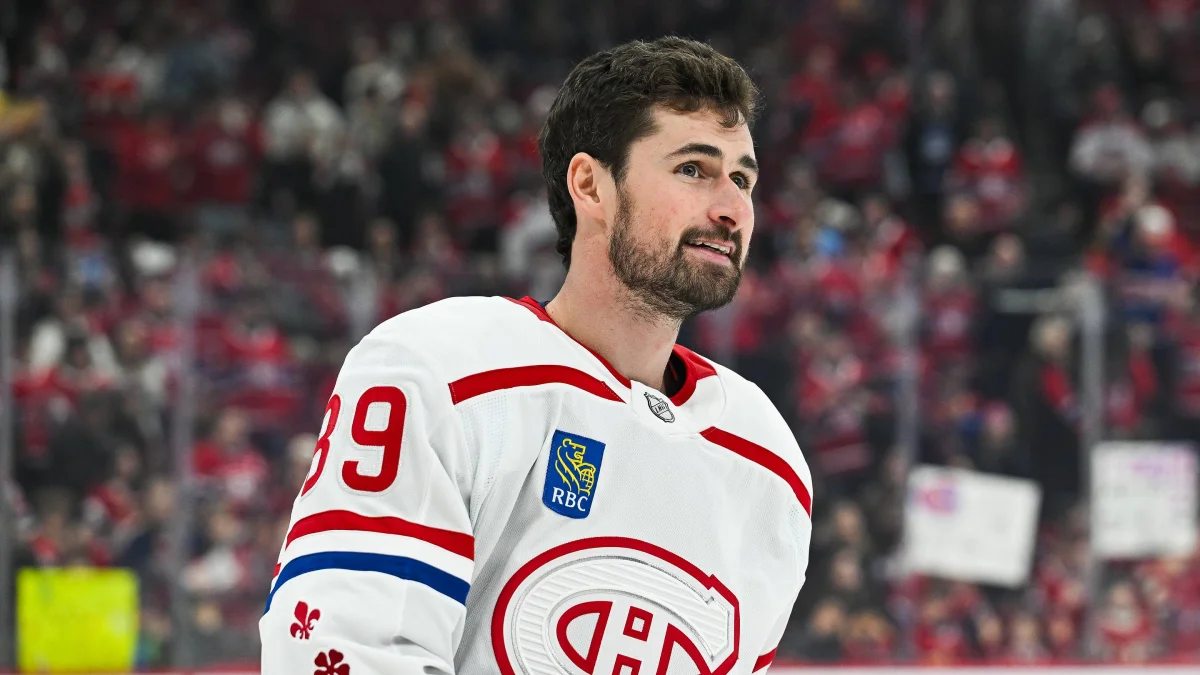
Linus Ullmark’s 12 Wins in 13 Games Come With a Powerful Lesson
- Cargo
- NHL Games & Standings
- Shipped
- Shipper
- Alicia Racine
- Readers
- 605
After Ottawa’s 2-1 win over Calgary, Ullmark described leaning on Samuel Ersson when he wasn’t feeling right. His openness matters beyond the crease.

Linus Ullmark’s night against Calgary offered a reminder that a goalie’s most important moment can happen away from the puck. After Ottawa’s 2-1 win, Ullmark described turning to his teammate and friend Samuel Ersson when he wasn’t feeling like himself after the first period. He returned for the second and played his part in a victory that gave him 12 wins in 13 games.
The result reinforced Ullmark’s excellent run. His account of what happened between periods added another dimension to it: when he needed help sorting through his thoughts, he chose to speak with someone he trusted. That decision is a useful example for teammates, young players and fans who may recognize the feeling of trying to carry something alone.

A conversation between periods
Ullmark said he wasn’t quite himself after the opening frame. Instead of keeping that to himself, he opened up to Ersson, Ottawa’s other Swedish goaltender. Reporter Julian McKenzie shared Ullmark’s account of the conversation, while the details between the two teammates remain private.
“I wasn't keeping it inside. I let the steam out, so to say, and let myself be a little bit vulnerable and open together with him, and try to help myself to, you know, sort out my thoughts,” Ullmark said. He added that it “worked quite good in the second” and that he was thankful he had spoken up.
That is a measured description, not a grand claim. Ullmark identified what he needed in that moment, trusted a teammate, and went back to work. The 2-1 final and his 12th win in 13 games show how the night ended; his own words explain what helped him get there.
There’s no need to speculate about what Ersson said or what Ullmark was working through. The point is the choice Ullmark described: he didn’t insist on handling a difficult stretch by himself. In a position where every mistake can be visible and the next shot can arrive before a goalie has time to reset, being able to ask for support is a practical part of coping with pressure.
Strength can include asking for help
Hockey often celebrates endurance: staying composed through a barrage of chances, battling through a rough stretch and showing up again for the next shift. Those qualities matter. But they don’t require a player to conceal every struggle. Ullmark’s willingness to speak candidly about anxiety and panic, and about taking a mental-health leave of absence last season, makes room for a fuller understanding of resilience.
For a young player, the example is concrete. A difficult period doesn’t have to be kept secret until it becomes impossible to manage. A trusted teammate, friend or family member can be a first person to talk to. Ullmark’s account doesn’t promise that one conversation solves everything; it shows that speaking honestly can help someone sort through what they’re feeling.
That message reaches beyond the dressing room. Fans see athletes under constant attention and can mistake public performance for a complete picture of someone’s life. Ullmark’s openness makes clear that a strong professional can be having a hard moment, too. His value as a role model comes not from suggesting he has everything figured out, but from describing a choice that many people can understand: he let someone in.
The timing matters because Ullmark is playing at a high level. A goalie carrying a 12-1 record across 13 decisions would already have plenty of attention on his saves and results. In Calgary, the meaningful story also came in the pause after the first period, when he relied on a teammate before returning to the crease. Those two parts of the night belong together: performance matters, and so does the person doing the performing.
What his example leaves with the team
Ersson’s presence gave Ullmark someone familiar to reach out to in the moment. Their connection as teammates and friends is part of the story, though the conversation itself belongs to them. What Ullmark chose to share was enough to show the value of a support system inside a team, where players spend long stretches together and may notice when a teammate seems off.
For Ottawa, the immediate outcome was a narrow win over Calgary and another strong result for its goaltender. For the wider hockey community, Ullmark’s comments offer a different kind of takeaway: toughness can include being open about a struggle and asking someone to listen. That example may stick with a young player or fan long after the game’s saves fade from memory. As Ullmark keeps building on his remarkable start, his candidness gives people another reason to pay attention to what he brings to the crease—and to the room around him.