Matthew Schaefer's Scrap With Luke Hughes Is a Warning for the Islanders
- Cargo
- NHL Games & Standings
- Shipped
- Shipper
- Nestor Quixtan
- Readers
- 806
Matthew Schaefer stood up for his team against Luke Hughes, but with the Islanders' playoff hopes in play, his fists carry real risk.
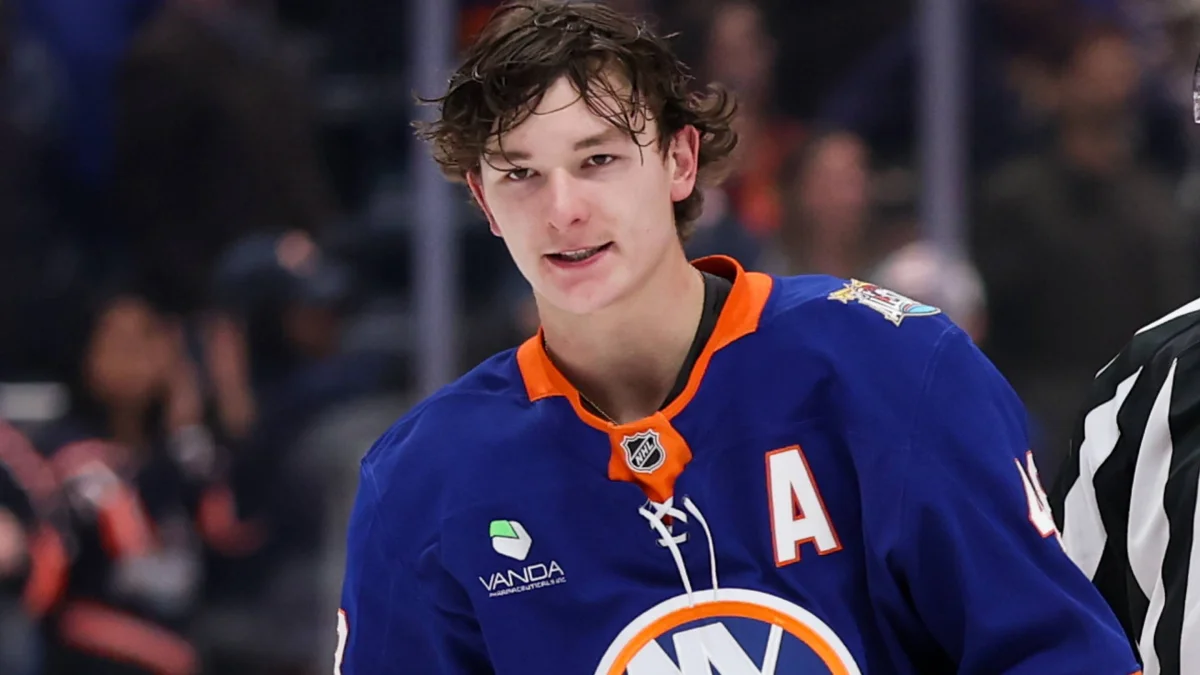
Matthew Schaefer trading punches with Luke Hughes over the weekend lit up the highlight reels and the rivalry chatter. Watching it live, I got the jolt you expect from a scrap like that, then I winced once it was over. My first real thought was relief that Schaefer kept his gloves on. Here's the thing: that reaction isn't about whether he's tough enough. It's about what one bad moment could cost a young defenseman on a team that needs him.
Standing up for the group
The fight read as a reaction, not a power move. Nobody was trying to settle a pecking order here. Schaefer was sending a message that messing around with the Islanders comes with a price. B/R Open Ice shared a clip of the exchange on social media, with the caption calling the two players "swinging," and it played exactly like a player responding to what he saw on the ice.
That's the part worth respecting. Schaefer didn't hesitate. He got in there, he held his ground and he showed teammates he'd answer the bell when someone tried to push them around. Team leaders do that regardless of age or size, and it's the kind of backbone you want from your best players.
The injury math nobody wants to do
The problem is the odds. Fights look controlled in the moment, but the chance of getting hurt is higher than most fans assume, and the history backs that up. Several players have had seasons derailed by one bad fight, and the pattern doesn't care how skilled you are.
The clearest recent case is crosstown rival Matt Rempe. The Rangers' tough guy broke his thumb in a bout with former heavyweight Ryan Reaves, which led to two surgeries and two dozen missed games. Rempe is a fourth-liner, so the hit to the lineup was easier to absorb. That's the point. Schaefer is a top defenseman, and a hand injury for a player in his role would ripple through every shift.
Blues defenseman Logan Mailloux offers a similar warning. A preseason scuffle this year left him with a shoulder injury that cost him six weeks. A few minutes of exchanged punches turned into a month and a half on the sideline.
What's at stake for the playoff push
Consider the Islanders' position. MoneyPuck gives them a 39.7% chance of making the postseason. That number reflects the otherworldly goaltending from Ilya Sorokin and the team's relative health, and the core has largely stayed intact. Mathew Barzal has yet to play this season, though, which means the margin for error is thin.
Now picture six weeks without Schaefer. The 19-year-old is a piece the team leans on to keep the game humming, and the Islanders can survive a stretch without him. They just can't afford to plan for it. Teams near the playoff line don't have much room to absorb an avoidable absence, and this one would be avoidable.
Schaefer also has to think about what comes after the injury. A player who plays through a tough season after a hand or shoulder problem can lose a step or some confidence, and that's a long-term cost that doesn't show up in the box score. Pulling back on the exuberance is a choice he can make on every shift, and it doesn't require him to play any softer.
The pushback problem, and who should answer it
There's plenty of talk in the NHL about teams lacking pushback, and it's most visible when a group looks like it has given up. The clearest example from last season came when Toronto Maple Leafs captain Auston Matthews saw his year end after a knee-on-knee collision with Radko Gudas in a game against the Anaheim Ducks. Players stood around while their captain writhed on the ice, and nobody responded in the moment. The Toronto media hammered the team's character at a crucial stretch of the season, and the retaliation had to wait until the teams met again.
That contrast is why Saturday's response from the Islanders was a good sight. Standing up together matters. But the vengeance piece is probably better handled by players built for that role, not by the most important defenseman on the roster.
A little deterrence goes a long way
The Islanders used to be a team opponents thought twice about crossing. The fourth line of Casey Cizikas, Cal Clutterbuck and Matt Martin was something to be reckoned with, and those players kept everyone honest on the ice every night. If somebody wanted to get out of line, the Isles had players who could put them back in their place.
That's the piece this roster could use again. I'm not calling for a traditional enforcer who spends his nights looking for bouts. I'm talking about a guy or two with a reputation for making physical play costly. Deterrence works in a quiet way. Knowing that a player like Martin is on the ice can make even dirty opponents think twice before they do something regrettable, and that protects your best players without asking them to drop the gloves.
All in all, the hope is that Schaefer can keep a level head as much as possible. There will be nights when everything goes sideways and a hard answer is necessary. The more he can avoid those moments, though, the better he and the Islanders will be over the long haul. This team's season may come down to whether Schaefer's fists stay in his pockets when it counts.