Ausar Thompson's Offensive Breakout Still Hasn't Arrived
- Cargo
- NHL Games & Standings
- Shipped
- Shipper
- Cem Yolbulan
- Readers
- 907
Nine games into 2026-27, Ausar Thompson's offense looks much like last season's. Here's why Pistons fans should reset their expectations for him.
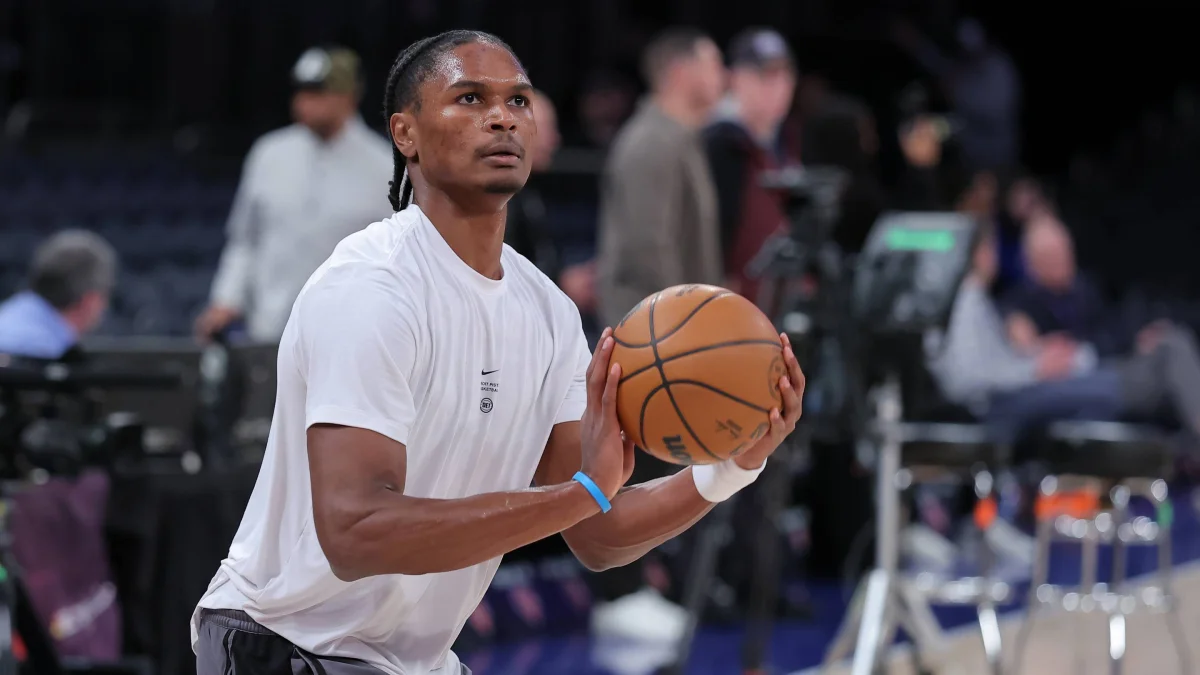
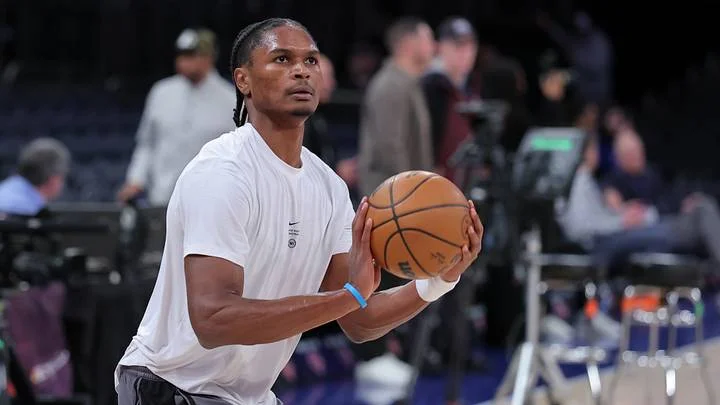
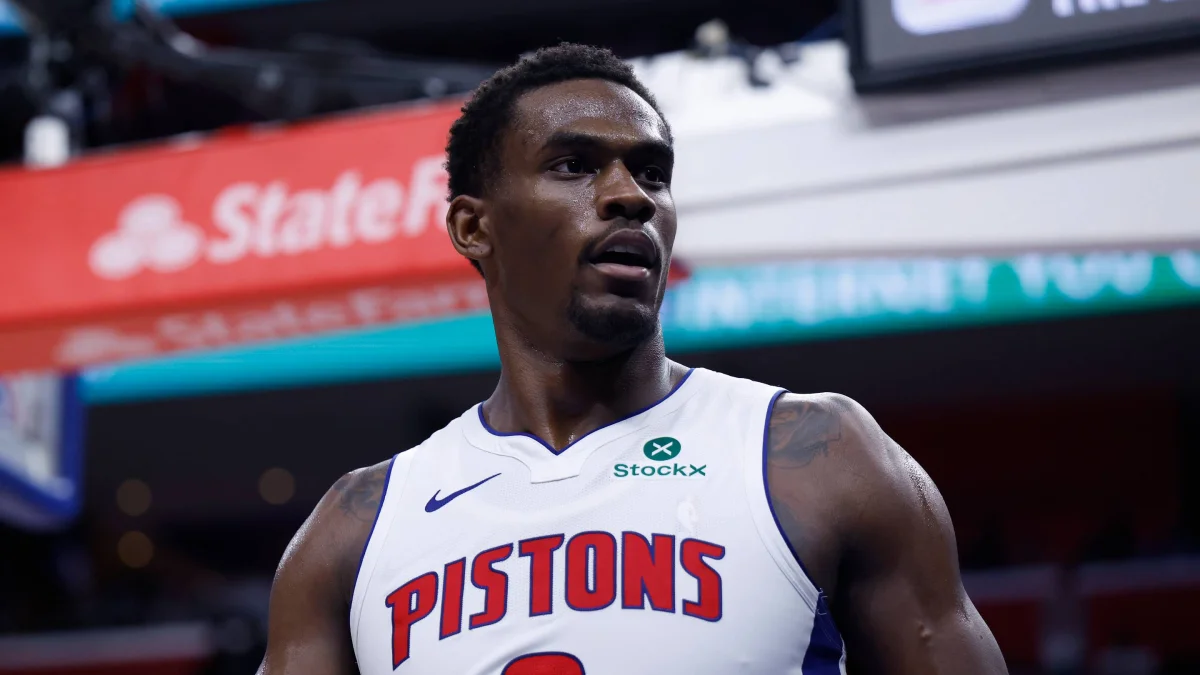
The Pistons spent the summer building a case that Ausar Thompson is their second-most valuable player. Work on his ball-handling, playmaking and shooting was supposed to make that case stick, and the breakout was supposed to follow. Nine games into 2026-27, that breakout still hasn't shown up. Thompson looks like the same player he's been, and the Pistons' fan base needs to be honest about what that player is.
The offseason work hasn't shown up on the floor
Development talk always runs ahead of the box score, and Thompson's summer was framed around specific skills. Ball-handling, playmaking and shooting are the areas where a wing with his athletic profile has to grow to stay on the floor for big minutes. So far, the results haven't reflected that work. His scoring volume and usage rate have stayed about where they were, and his efficiency has slipped back below league average. His True Shooting percentage has dropped to 53.3.
Here's the thing: more touches have come with the ball in his hands, but they haven't translated into better production. Assists and turnovers have both gone up. That's a sign he's handling the ball more, not that he's become a more dangerous offensive threat. Extra responsibility without better results tends to expose a player's weaknesses rather than hide them.
The Lakers game showed the problem in full
Sunday's loss to the Lakers put Thompson's offensive limits on display. Walker Kessler guarded him for most of the game, and Thompson couldn't take advantage of that matchup. He wasn't aggressive, he didn't attack the rim consistently, and he passed up shots that a more confident scorer would have taken. Against a defender of that size, that hesitation is costly, because it lets the defense set up with no real pressure on the rim.
The cost showed up in the minutes column. Thompson played 24 minutes, a number that reflected how little the Pistons could trust him to create offense in that game. Meanwhile, Austin Reaves scored 43 points and carried the Lakers to the win. A single game doesn't define a season, but it does reveal what a team does when its wing can't punish a mismatch. Opponents with good scorers will exploit that again.
Why the minutes ceiling matters
This isn't a one-night problem. Thompson's offensive shortcomings have followed him through his career, and they show up in how coaches use him. Many teams can carry a defensive specialist who plays 20-something minutes, but it's hard to build a top-end rotation around one. If a wing can't play more than about 27 minutes a night without hurting the offense, he's probably not going to be the kind of player who anchors a contender's closing lineups.
My read is that Thompson's defense is the reason he stays in the conversation at all. He's widely regarded as one of the best perimeter defenders in the league, and that's a real and rare skill. Elite defense can keep a player in the rotation for years, but it can't cover for an offense that doesn't threaten anything. The gap between what he does well and what he doesn't is the core of the debate.
What the offensive profile actually looks like
The problem isn't only shooting, though shooting gets most of the attention. Thompson struggles to finish around the basket, rarely gets to the free-throw line, doesn't have a reliable floater, and doesn't generate much rim pressure. Those are the skills that create easy looks for teammates and steady points for the player himself. Without them, even a good shot selection can't rescue the offense.
There are real positives. Thompson runs the floor well in transition, grabs offensive rebounds, makes smart cuts and is a decent passer. Those contributions help a team, especially one that wants to play fast or create second chances. But they aren't enough to justify the level of trust the Pistons have placed in him. Wings who give a team value on those things usually fill a role. They don't typically become the focal point of a plan.
What the Pistons' title hopes depend on
The contender question is where the fan debate gets sharp. If Thompson is truly the second-best player on this roster, the Pistons' ceiling looks low. If he's only the third-best, they still seem far from being a realistic title team. Historically, teams that have won championships have usually had their top players producing efficiently on offense. Finding a title-winning team whose top-three player was a liability on that end would be difficult.
That leaves the Pistons with two paths. Thompson has to improve his offense soon, meaningfully and not just in flashes, or the team has to accept that he's a high-end complementary piece rather than a core building block. Either outcome is fine for a good role player. Neither matches the way the summer's commitment was framed. The next several weeks should show which direction it's heading, and that's the number to watch: whether his shot profile, finishing and rim pressure change with the minutes he's given.